Follow Me On Social Media!

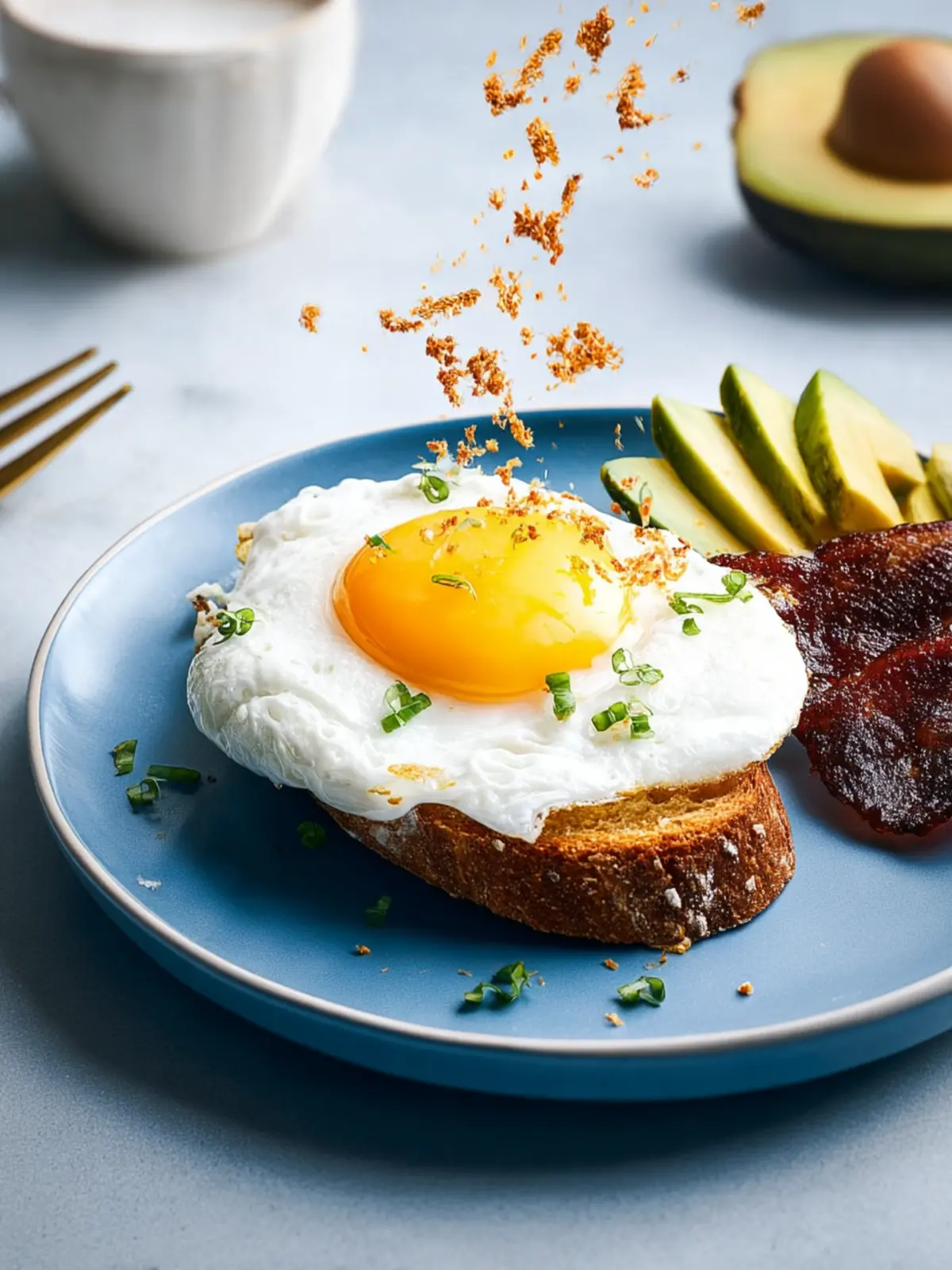
How to Cook Eggs: 10 Easy and Delicious Ways to Wow Your Tastebuds

Introduction to How to Cook Eggs: 10 Ways
Cooking eggs can feel like a magical journey through flavors and techniques, where each method unlocks something unique and delicious. With eggs being a staple in many kitchens, knowing how to cook eggs can transform your meals from mundane to extraordinary. Think of that first bite of a perfectly poached egg, the yolk flowing luxuriously over a slice of toast, or the cheerful puzzle of a fluffy frittata bursting with veggies. This simple ingredient has an incredible ability to adapt to your tastes and the dishes you create.
So, what makes cooking eggs so versatile and fun? It’s all about the possibilities! Whether you’re whipping up a quick breakfast, incorporating them into savory lunches, or creating a gourmet dinner, eggs can shine in every meal. Here are just a few reasons why learning to cook eggs can elevate your culinary skills:
- Variety of Techniques: From boiling and scrambling to frying and baking, there are countless ways to prepare eggs. Each technique offers different textures and flavors, keeping meals interesting.
- Nutrient Powerhouse: Not only are eggs delicious, but they are an excellent source of protein, vitamins, and healthy fats. Incorporating eggs into your diet is an easy way to boost your nutritional intake.
- Quick and Easy: Most egg dishes come together in minutes, making them perfect for busy mornings or impromptu dinners. You don’t need to be a Michelin-star chef to whip up something delightful!
- Budget-Friendly: Eggs are often one of the more affordable proteins available, making them accessible for everyone. You can create gourmet-like dishes without breaking the bank.
By exploring the various methods on how to cook eggs, you’ll discover how this humble ingredient can be both a versatile staple and a canvas for creativity. So, grab those eggs, and let’s dive into the delightful world of egg cooking!
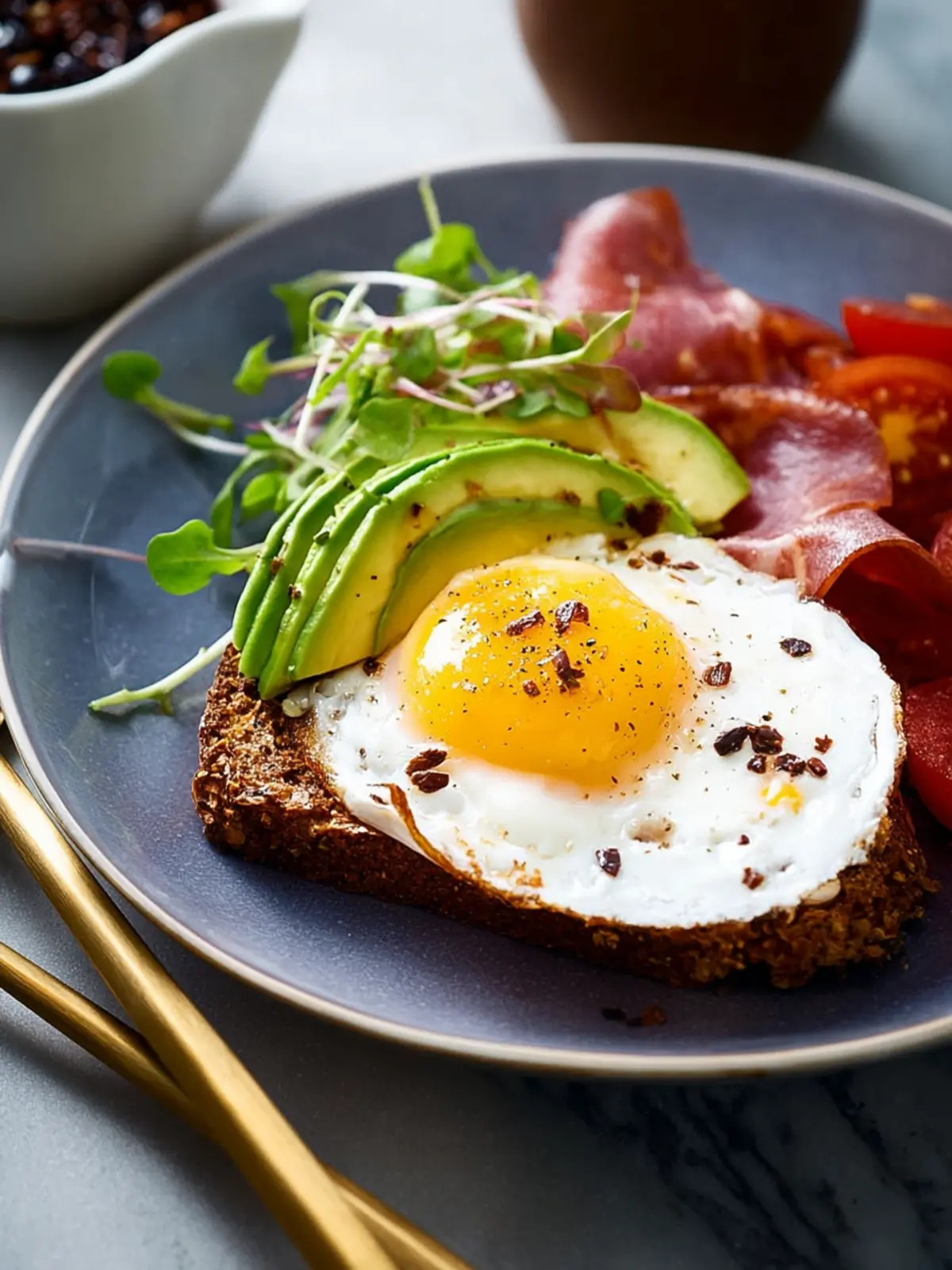
Key Ingredients for Cooking Eggs
Eggs: The stars of our dishes, eggs are incredibly versatile. Whether you’re scrambling, poaching, or baking, choosing fresh eggs is crucial for flavor and texture. Look for eggs with a firm white and a bright yolk—these are signs of freshness. I’ve found that sourcing eggs from local farms often leads to a richer taste compared to store-bought options.
Salt: A pinch of salt elevates the natural flavor of eggs. It’s essential for seasoning them as they cook, enhancing their taste without overpowering their delicate flavor. Just remember, it’s always easier to add more salt later than to take it away.
Pepper: A sprinkle of freshly cracked pepper adds warmth and an inviting aroma to your eggs. Ground pepper provides a more uniform flavor, while freshly cracked varieties give texture and a bit of spice.
Butter or Oil: Using butter or your preferred oil is essential for cooking eggs. Butter adds richness and flavor, while oil helps prevent sticking. I enjoy mixing the two for the best of both worlds—a crispy exterior with a plush, buttery flavor inside.
Why You’ll Love Cooking Eggs
When you dive into the world of how to cook eggs, you’re entering a realm of culinary magic that blends simplicity with versatility. Picture this: it’s a busy weekday morning, and a carton of eggs waits patiently in your fridge. With just a bit of heat and a dash of creativity, you can create a nourishing meal that fuels your day. From creamy scrambled eggs to perfectly poached gems, eggs offer endless possibilities that cater to every taste.
Nutritional Benefits
Eggs are not just delicious; they’re packed with protein, vitamins, and minerals. One large egg has about 6 grams of high-quality protein, making it an excellent choice for muscle repair and energy. Plus, they’re rich in nutrients like choline, which supports brain health.
Quick and Easy
Have you ever found yourself pressed for time but in need of a filling breakfast? Eggs cook quickly, often in under 10 minutes! An omelet filled with veggies can be whipped up faster than a cup of coffee brews.
Budget-Friendly
Looking to eat well without breaking the bank? Eggs are incredibly economical. They provide an affordable source of high-quality protein compared to other animal-based foods.
In short, cooking eggs isn’t just a skill; it’s a gateway to quick, healthy, and delicious meals any day of the week!
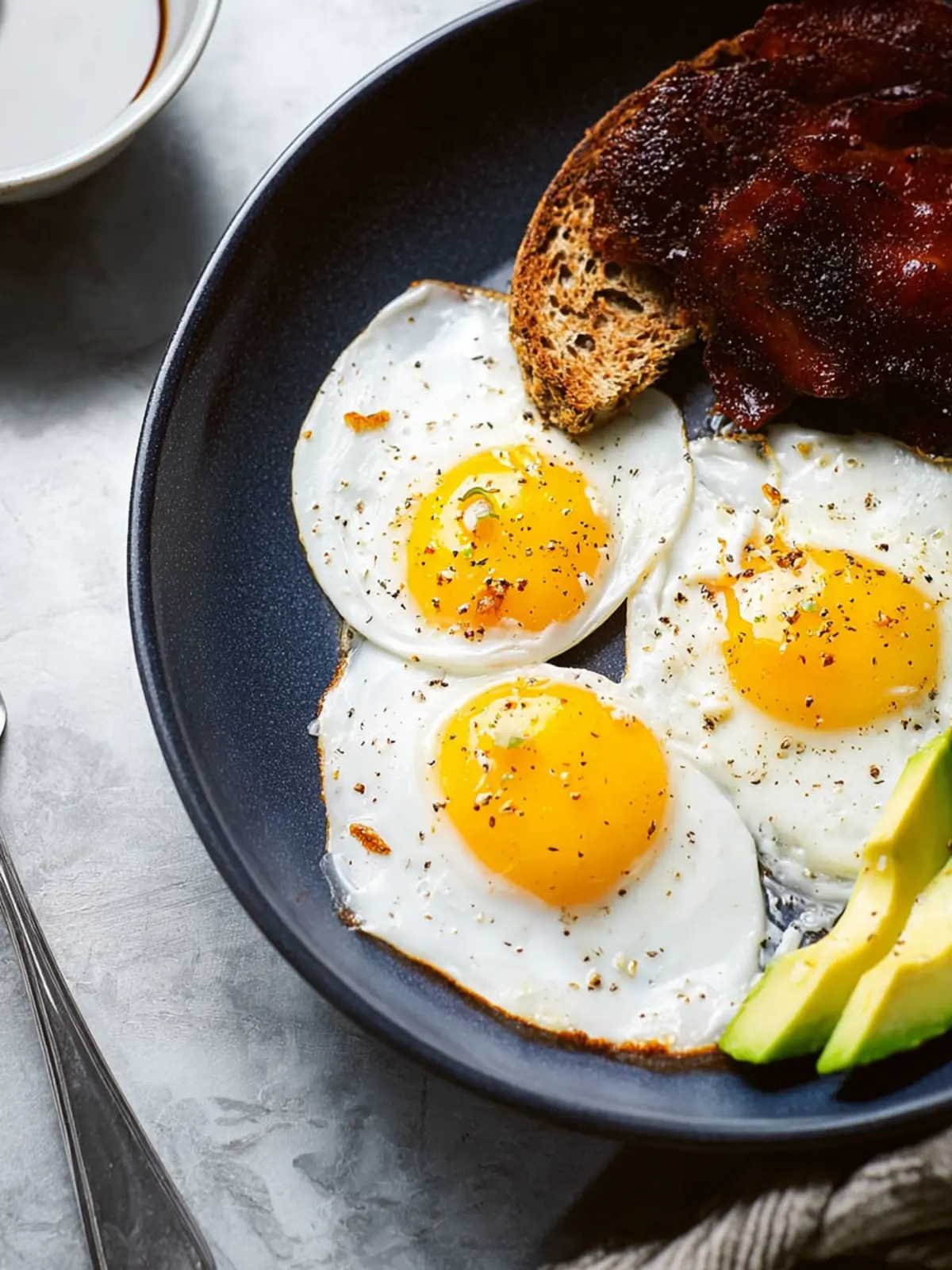
Variations on Egg Dishes
There’s something undeniably comforting about how to cook eggs, isn’t there? Whether you’re in a rush or savoring a relaxed morning, eggs can adapt to any mood or moment. As an easy go-to, they sparkle in various forms, captivating both the culinary novice and the seasoned chef.
Scrambled Eggs
Classic scrambled eggs are a staple in many households. For added richness, consider whisking in a touch of cream or milk. Try garnishing with fresh herbs like chives or parsley for a burst of flavor. Feeling adventurous? Toss in some grated cheese, sautéed spinach, or diced tomatoes for a twist that elevates this simple dish.
Poached Delights
Perfect poached eggs are worth mastering. The technique involves simmering water with a splash of vinegar—this helps the egg whites set more neatly. Serve them over avocado toast, or lay them on a bed of sautéed greens for an instantly sophisticated breakfast.
Frittatas
A frittata is basically an egg extravaganza! It’s versatile and a great way to use leftover veggies and meats. Just beat your eggs, mix in your choice of fillings, and bake until the edges are crispy. Pair it with a side salad for a satisfying brunch that can be served hot or cold.
Each of these variations not only caters to different tastes but also showcases the incredible versatility of eggs, making them a staple in any kitchen.
Cooking Tips and Notes for Eggs
Cooking eggs is a delightful journey, particularly when you consider the versatility they bring to your kitchen. Whether you’re crafting a fluffy omelet or a perfectly poached egg, a few insider tips can elevate your egg dishes from good to unforgettable.
Choosing Fresh Eggs
To start your egg-cooking adventures, always opt for fresh eggs. They not only taste better but also hold their shape well during cooking. If you’re unsure whether your eggs are fresh, do a simple water test! Place them in a bowl of water; fresh eggs will sink, while older ones will float.
Temperature Matters
When learning how to cook eggs, pay close attention to temperature. For scrambled or fried eggs, crack them into a bowl and let them sit at room temperature for about 10 minutes before cooking. This helps them achieve a creamier texture.
Seasoning Techniques
Don’t underestimate the power of seasoning! Use salt and pepper thoughtfully, but consider adding herbs or spices during the cooking process for a flavor boost. Experimenting with ingredients like cheese or vegetables can also enhance your dish.
Cooking Times
Every egg dish has its sweet spot for cooking time. Keep an eye on scrambled eggs, aiming for a soft, slightly runny texture, and always cook fried eggs until the whites are set but the yolks remain runny for a delicious, gooey center.
With these tips in your arsenal, you’ll be well on your way to mastering how to cook eggs like a pro!
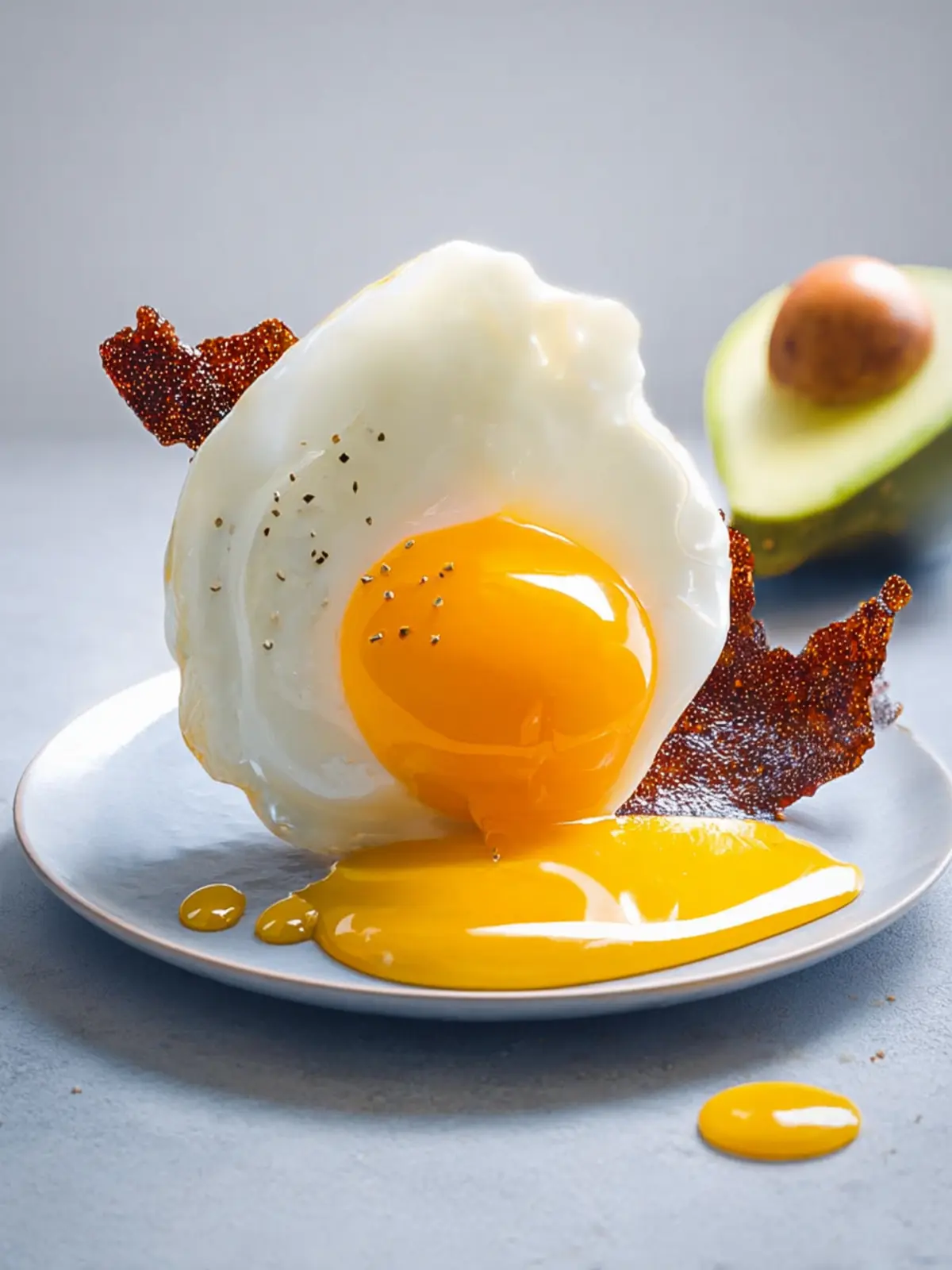
Serving Suggestions for Eggs
Understanding how to cook eggs opens up a myriad of breakfast possibilities. Once you’ve mastered the basics, it’s time to elevate your eggs to stardom on your plate. Imagine starting your day with a vibrant eggs benedict, where perfectly poached eggs sit atop a toasted English muffin, smothered in rich hollandaise sauce. Or perhaps you prefer a hearty breakfast burrito filled with scrambled eggs, sautéed peppers, and a sprinkle of cheese.
Here are a few more approachable serving suggestions:
- Classic Pairings: Serve fried or scrambled eggs alongside crispy bacon, toast, or avocado for a balanced meal.
- Salads: Hard-boiled eggs can transform a simple salad into a protein-rich delight. Combine with greens, cherry tomatoes, and a drizzle of vinaigrette.
- Tarts and Quiches: Incorporate eggs into savory tarts filled with seasonal vegetables and cheese for a fantastic brunch option.
- Eggs on Toast: Top a hearty slice of whole-grain toast with poached eggs, herbs, and a dash of hot sauce for a flavor-packed snack.
By getting creative with these ideas, your eggs will always take center stage!
Time Breakdown for Cooking Eggs
Cooking eggs can be an art form that brings a cozy morning vibe to your kitchen. Whether you’re crafting the perfect omelet or soft-boiled delights, understanding the time breakdown for cooking eggs makes the process seamless and enjoyable. Let’s dive into the specifics to help you master this essential skill.
Preparation Time
- 5 minutes for cracking eggs and gathering your ingredients.
Cooking Time
- Ranges from 2-15 minutes, depending on your chosen method (scrambled, poached, fried, etc.).
Total Time
- Approximately 10-20 minutes, including prep and cooking.
Now that you have a handle on the timings, you can confidently explore all the various ways to cook eggs. Remember, practice makes perfect!
Nutritional Facts for Eggs
Eggs are a remarkable ingredient that provides a powerhouse of nutrition in every serving. Each egg holds approximately:
Calories
A single large egg contains about 70 calories, making it an excellent choice for those looking to maintain or lose weight while still feeling satiated. They are nutrient-dense, offering many essential vitamins and minerals.
Protein
One egg packs a protein punch, featuring around 6 grams per serving. This high-quality protein is crucial for muscle repair and growth, making eggs a favorite among fitness enthusiasts and anyone seeking a balanced diet.
Fat
With about 5 grams of fat, eggs provide healthy fats that can contribute to heart health. Most of the fat is unsaturated, which can help improve cholesterol levels when eaten in moderation.
Cooking eggs in various ways can enhance their nutritional benefits, and they pair well with many other ingredients for a wholesome meal.
FAQs about Cooking Eggs
Eggs are one of the most versatile ingredients in our kitchens, bridging breakfast, lunch, and dinner together. Whether you’re a seasoned cook or a beginner, knowing how to cook eggs can elevate your meal game. Here are some frequently asked questions that may help you master this essential ingredient.
What’s the best way to boil eggs?
For perfectly boiled eggs, start by placing them in a single layer in a pot, then cover them with cold water. Bring the water to a boil, then cover the pot and remove it from heat. The residual heat cooks the eggs. For soft-boiled eggs, let them sit for 4–6 minutes. For hard-boiled, aim for about 9-12 minutes. Don’t forget to plunge them into ice water immediately after cooking to stop the cooking process!
How do you achieve the perfect scrambled eggs?
To create creamy scrambled eggs, use fresh eggs and beat them lightly with a splash of milk or cream. Cook them in a non-stick skillet over medium-low heat, stirring gently. For the ultimate texture, remove them from the heat while they’re still slightly runny – they’ll continue cooking from residual heat. Adding a dash of salt right before cooking can enhance their flavor, too!
Can you freeze cooked eggs?
While you technically can freeze cooked eggs, the texture may change after thawing. They are best when used fresh. If you must freeze them, consider whisking scrambled eggs and pouring them into ice cube trays, then storing them in a sealable bag. Just remember, they might not taste as great when thawed, so plan to use them in recipes where texture is less critical.
Conclusion on Cooking Eggs
Mastering how to cook eggs opens up a world of culinary possibilities. Whether you prefer them scrambled, poached, or fried, eggs are a versatile ingredient that can enhance any meal. As you experiment with different techniques and styles, you’ll soon find your favorites, adding personal touches to classic recipes. Remember the joy of a perfectly runny yolk on toast or the delightful fluffiness of well-whipped egg whites. Each method offers a unique texture and flavor, making your cooking adventures both exciting and delicious. With practice and creativity, you’ll never tire of these incredible edibles. Enjoy your egg-cooking journey!
Print
How to Cook Eggs: 10 Ways
- Total Time: 25 minutes
- Yield: 4 servings 1x
- Diet: High Protein
Description
Discover ten different methods to cook eggs, each offering a unique flavor and texture. From boiling to poaching, elevate your breakfast game!
Ingredients
Scale
- 10 eggs
- 1 tablespoon salt
- 1 tablespoon vinegar (for poaching)
- 1 tablespoon butter (for frying)
Instructions
- Hard-boiled: Place eggs in a pot, cover with cold water, bring to a boil and simmer for 9-12 minutes.
- Soft-boiled: Boil for 4-6 minutes, then transfer to ice water.
- Poached: Simmer water with vinegar, crack egg into a small bowl and slide into water.
- Scrambled: Whisk eggs in a bowl, add salt, heat butter in a pan and pour in eggs, stirring regularly.
- Fried: Heat butter in a pan, crack an egg directly into the pan and cook until the white sets.
- Baked: Preheat oven, crack eggs into a greased muffin tin, bake until set.
- Oven-steamed: Add water to a baking dish, place eggs inside and steam until cooked.
- Microwave: Crack eggs into a microwave-safe bowl, cover and cook on medium.
- Deviled: Hard-boil eggs, split in half, and mix yolks with mayonnaise and spices.
- Shirred: Bake eggs in a dish with cream and cheese until set.
Notes
- Experiment with seasoning for different flavor profiles.
- Cooking times may vary based on egg size and preferences.
- Prep Time: 10 minutes
- Cook Time: 15 minutes
- Category: Breakfast
- Method: Various
- Cuisine: American
Nutrition
- Serving Size: 2 eggs
- Calories: 140
- Sugar: 0g
- Sodium: 140mg
- Fat: 10g
- Saturated Fat: 3g
- Unsaturated Fat: 7g
- Trans Fat: 0g
- Carbohydrates: 1g
- Fiber: 0g
- Protein: 12g
- Cholesterol: 370mg