Follow Me On Social Media!

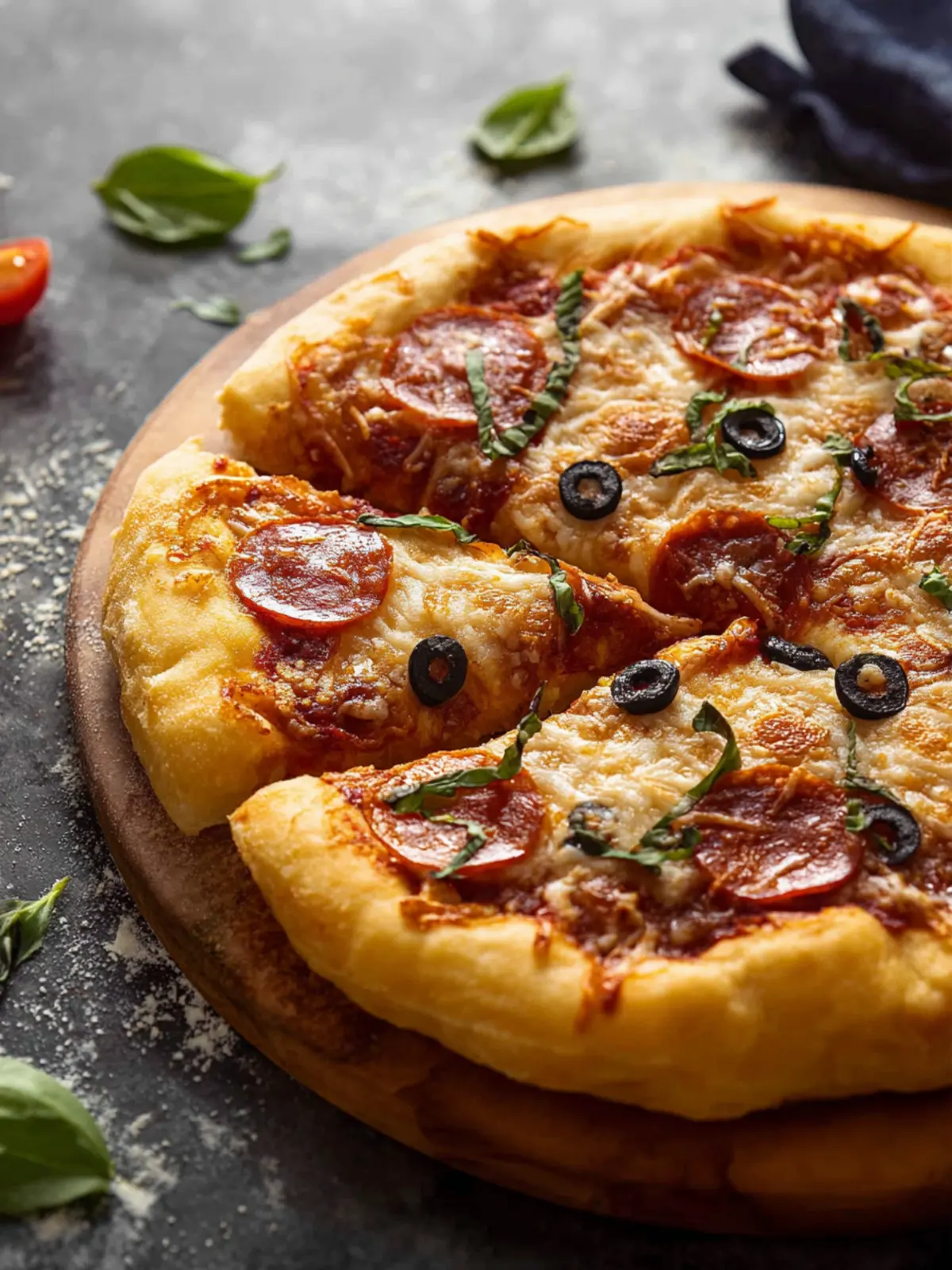
Homemade Gluten Free Pizza Dough: Easy & Irresistibly Tasty

Introduction to Homemade Gluten Free Pizza Dough
Creating homemade gluten free pizza dough is not just about making a meal; it’s about crafting an experience that resonates with nostalgia and joy. Picture this: the tantalizing aroma of freshly baked dough wafting through your kitchen, combined with the thrill of choosing your favorite toppings, all while knowing you’re catering to your dietary needs. For those of us who are gluten-sensitive, pizza might have felt like a distant memory, but now, it can be a regular in your home cooking routine!
The Joy of Making Pizza at Home
There’s something magical about making pizza from scratch — it’s an activity that can bring friends and family together, regardless of your cooking skills. And when it comes to homemade gluten free pizza dough, the possibilities are endless. Picture a cozy Saturday night with friends gathered around the kitchen island, each person customizing their dough with various toppings. Whether you’re a minimalist who loves classic margherita or an adventurous foodie craving exotic ingredients, the joy of personalizing your pizza is what makes this experience memorable.
Making gluten-free pizza dough might sound daunting, but I promise you it’s simpler than it seems. With a blend of gluten-free flours, a few key ingredients, and a bit of love, you can whip up a dough that’s not just edible but truly delicious. It can be light and crispy or chewy and hearty, depending on how you prefer your crust. And let’s not forget the satisfaction of pulling a perfectly baked pizza out of the oven — it’s not only about the food; it’s about the memories you create in the kitchen.
Embrace the opportunity to experiment with flavors and textures. Don’t hesitate to play around with the dough consistency or add herbs for an extra kick. This homemade gluten free pizza dough will set the stage for many enjoyable evenings, where laughter, good company, and great food take center stage. So roll up your sleeves, gather your favorite toppings, and let’s embark on this delicious pizza-making journey together!
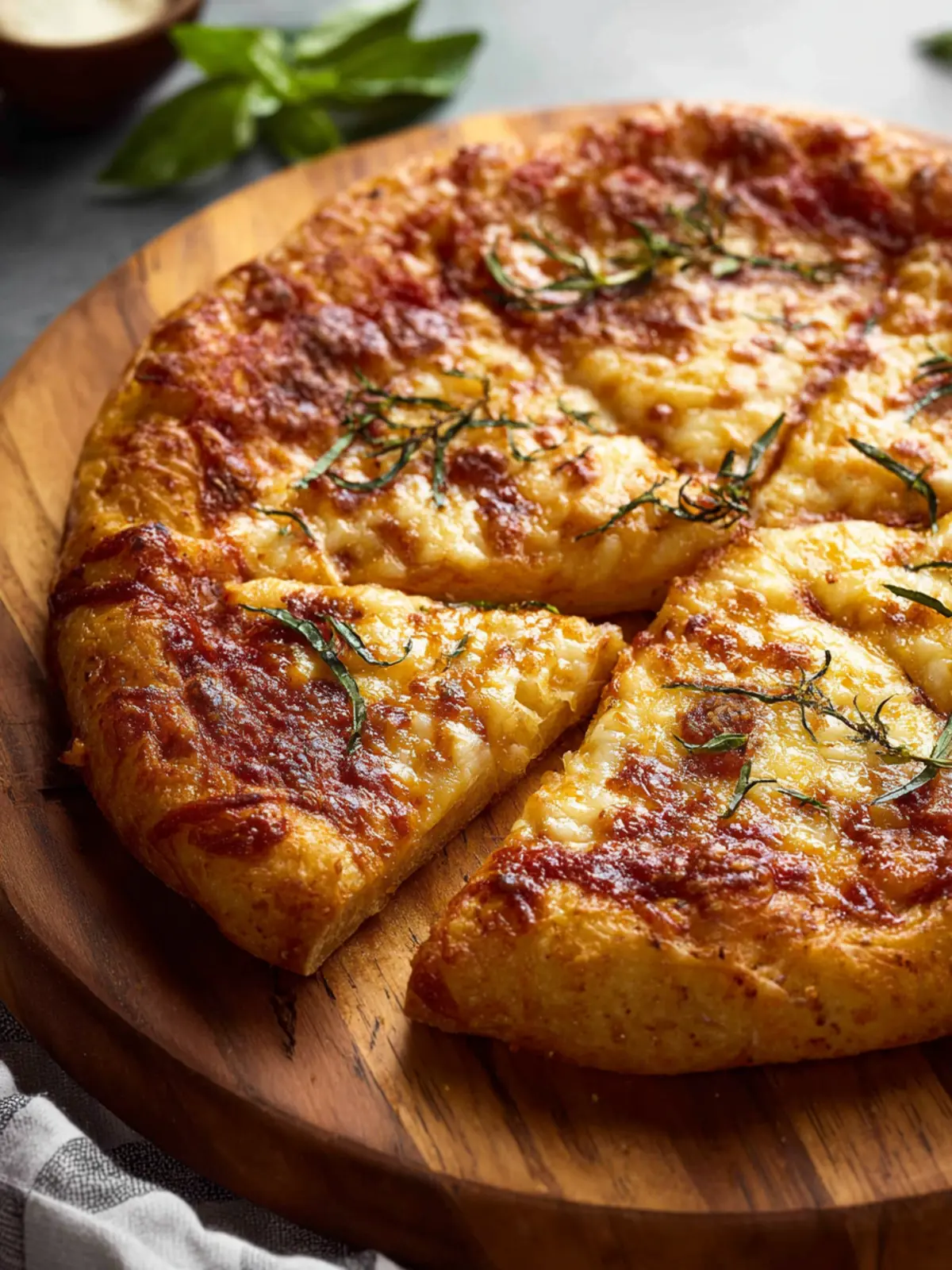
Key Ingredients for Homemade Gluten Free Pizza Dough
Crafting your own homemade gluten free pizza dough transforms a bland pizza night into a culinary adventure. Each ingredient plays a crucial role in ensuring your dough is tender, flavorful, and holds up beautifully under toppings.
Lukewarm Water: This is where the magic begins! A gentle warmth activates the yeast, encouraging it to bloom. Think of it as waking up the little soldiers that will help the dough rise.
Whole Psyllium Husk: Not just a fiber boost, this ingredient is your secret weapon. It mimics the elasticity you’d typically find in gluten, giving your dough that desirable stretch and texture.
Gluten Free All Purpose Flour: The cornerstone of your pizza, this flour blend ensures a perfectly balanced taste and structure. It’s your dough’s best friend, allowing for that classic pizza foundation.
Quick Yeast: When you’re eager to enjoy your pizza, quick yeast is a lifesaver. It rises without the long wait, so you’ll be munching on a delicious slice in no time.
Salt: More than just seasoning, salt enhances flavor and strengthens the dough. It’s the unsung hero of baking, making every bite worthwhile.
Sugar: This little additive nourishes the yeast and adds a touch of sweetness, rounding out the flavor profile beautifully.
Apple Cider Vinegar: Just a splash adds a tangy depth and improves the dough’s texture. It’s amazing how something so sour can make such a difference!
Olive Oil: For that delightful crispy crust and a hint of richness, olive oil is essential. It beckons your taste buds and elevates the entire pizza experience.
Together, these ingredients make for a delightful homemade gluten free pizza dough that will impress everyone at the table!
Why You’ll Love This Recipe
Convenience and Versatility
Crafting your own homemade gluten free pizza dough opens up a world of convenience and flexibility. Have you ever been caught without a gluten-free pizza option? With just a few simple ingredients, you can whip up this dough in no time, letting you customize your pizzas to suit various dietary needs, cravings, or even the contents of your pantry. Want a classic Margherita? Or perhaps a loaded veggie delight? This dough is your canvas, ready to support whatever toppings your heart desires.
Flavor and Satisfaction
There’s something incredibly satisfying about biting into a freshly baked pizza with a crust that you made yourself. This homemade gluten free pizza dough is not only easy to prepare but also delivers a delightful flavor and texture that rivals any pizzeria. Each bite is crispy on the outside and chewy on the inside, providing that perfect foundation for your favorite toppings. Think of the aroma filling your kitchen as it bakes—a heavenly invitation for friends and family.
Health Benefits
Using homemade gluten free pizza dough means you control what goes into it. You can opt for wholesome ingredients, and the absence of preservatives found in store-bought versions means you’re making a healthier choice. Plus, it’s far easier to accommodate specific dietary needs with a dough made in your own kitchen, allowing you and your loved ones to enjoy pizza nights without a worry. So, say goodbye to greasy takeout and hello to healthful homemade deliciousness!
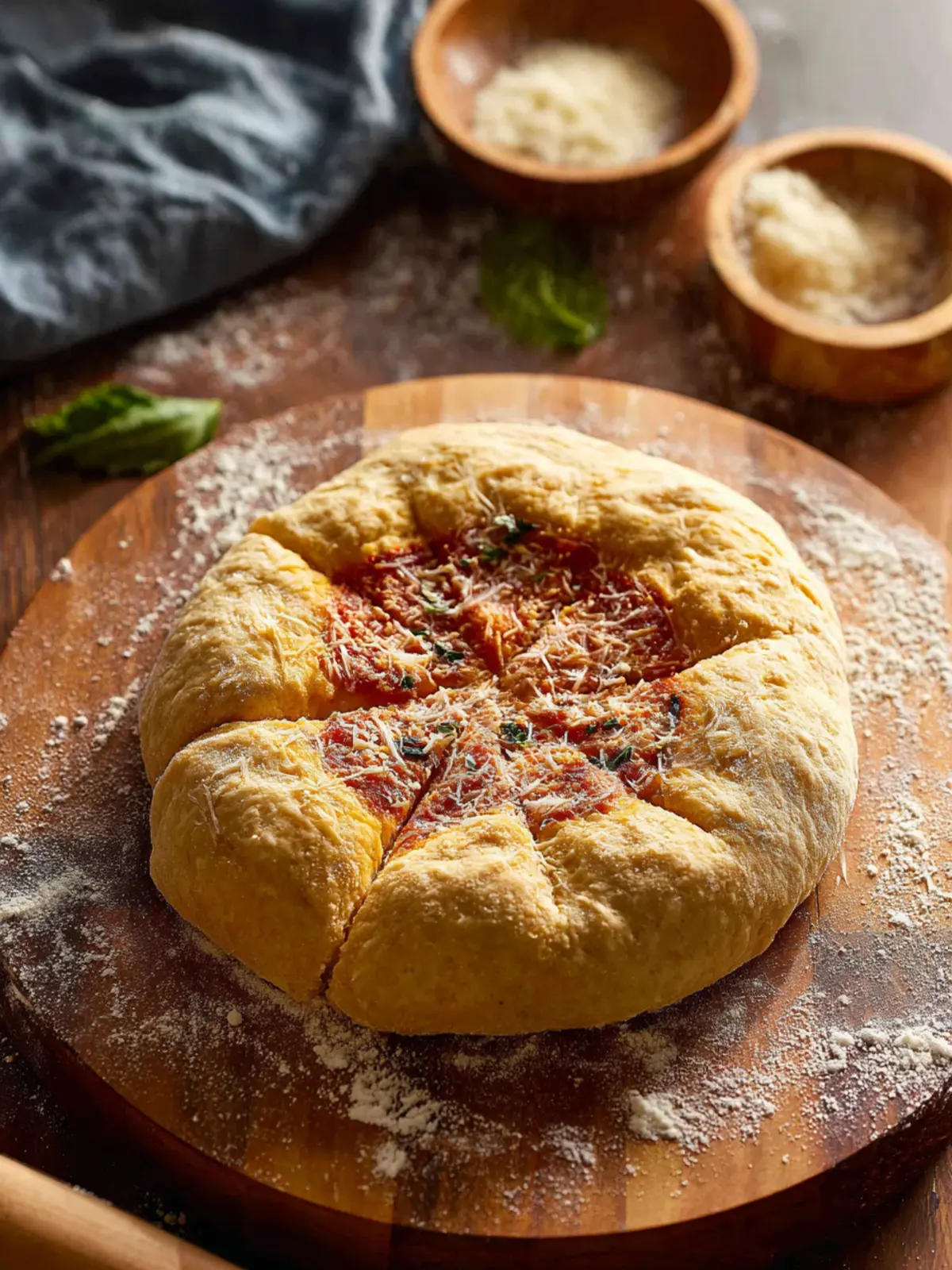
Variations on Homemade Gluten Free Pizza Dough
Creating the perfect homemade gluten free pizza dough opens the door to a world of delicious possibilities. With just a few tweaks, you can personalize it to suit your culinary preferences and dietary needs.
Different Flour Blends
One way to make your homemade gluten free pizza dough uniquely yours is by experimenting with different flour blends. While a basic gluten-free all-purpose flour is a great starting point, consider incorporating almond flour for a nuttier flavor or coconut flour for a hint of sweetness. For an extra nutritional boost, try adding ground flaxseed or oat flour. Each blend can influence the texture and taste, so don’t hesitate to mix and match until you find your favorite combination!
Flavored Dough Options
Why settle for plain dough when you can infuse it with delightful flavors? Adding herbs like oregano or basil can impart an Italian vibe, while mixing in garlic powder or onion powder provides a savory depth. For a fun twist, consider incorporating roasted red peppers or pesto into the dough for an extra kick. The added flavor elevates your pizza experience and makes the dough just as interesting as the toppings.
Toppings Inspirations
Speaking of toppings, the sky’s the limit! From classic margherita with fresh tomatoes and basil to adventurous choices like BBQ chicken or Mediterranean veggies, you can customize your homemade gluten free pizza dough to suit any occasion. Consider seasonal ingredients like zucchini in the summer or squash in the fall. You can even experiment with different types of cheese or plant-based alternatives to cater to dietary restrictions. Let your creativity shine and make your pizza night one to remember!
Cooking Tips and Notes
Creating the perfect homemade gluten free pizza dough can be a delightful adventure in your kitchen—but let’s ensure your dough turns out just right with these helpful tips.
Achieving the Perfect Texture
To achieve a superbly chewy yet tender texture, it’s essential to blend your gluten-free flour mix well. I recommend a combination of almond flour and tapioca or arrowroot starch. This not only gives it a lighter feel but also allows the dough to stretch without tearing easily. Allowing the dough to rise for about 30 minutes before shaping helps it develop that lovely elasticity.
Tips for a Crispy Crust
For a crust that’s irresistibly crispy, preheat your baking surface, whether that’s a pizza stone or a sheet pan, to a high temperature. Adding a dash of olive oil to the dough can enhance crunchiness too. Once your dough is shaped, try brushing it lightly with olive oil before adding sauce and toppings. This creates a barrier that prevents sogginess.
Storing and Freezing Dough
If you’re making extra homemade gluten free pizza dough, you can easily store it for later use. Wrap the uncooked dough tightly in plastic wrap, then place it in an airtight container in the fridge for up to five days. For longer storage, freeze it for up to three months. Just remember to let it thaw in the refrigerator before using, and give it a gentle knead to freshen it up!
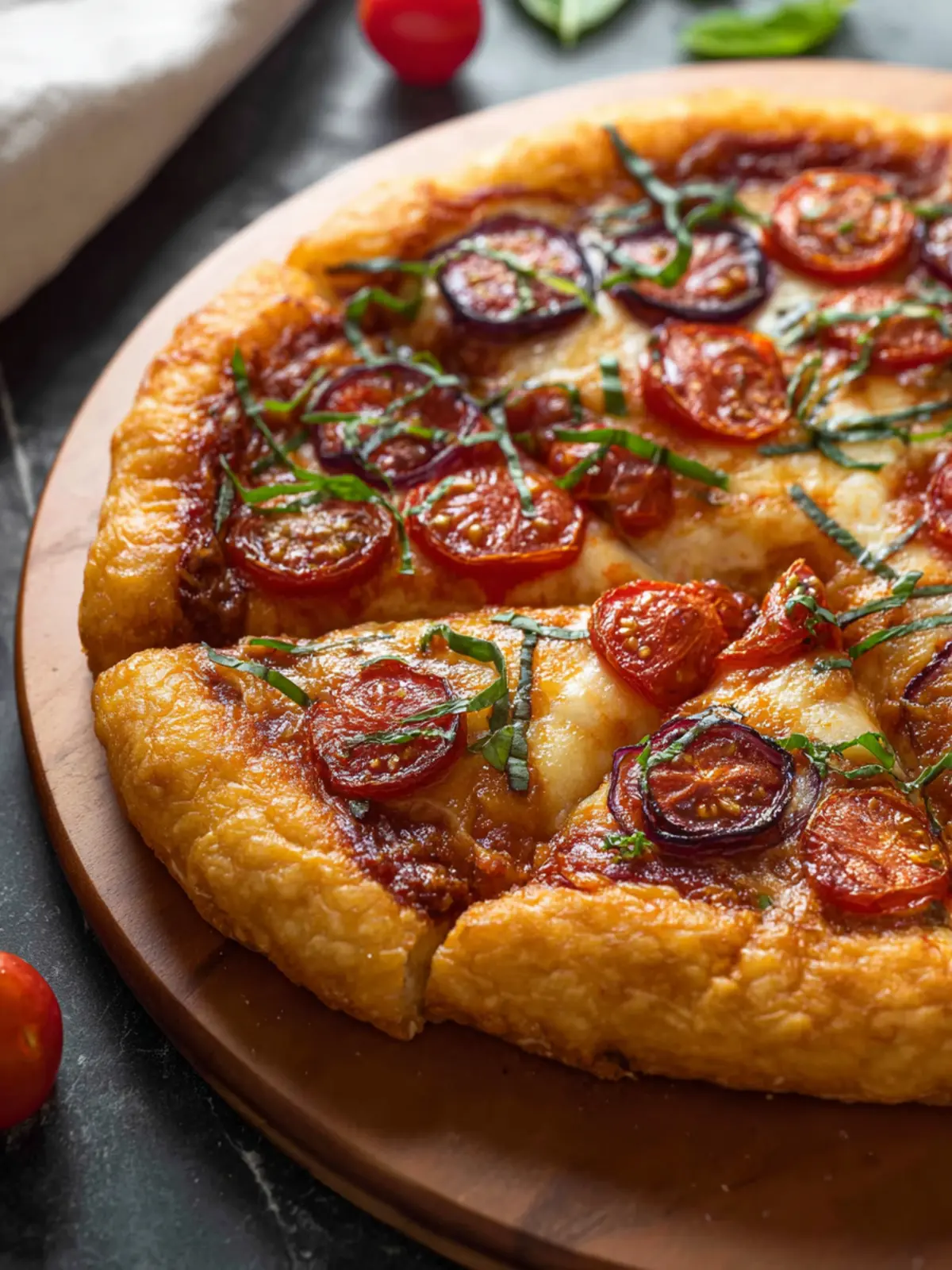
Serving Suggestions
Exploring homemade gluten free pizza dough opens up a world of delightful pairings and accompaniments that elevate your pizza night into an unforgettable experience. Who knew that such a simple dish could have so many exciting twists?
Pairing with Dipping Sauces
Complement your pizza with a selection of dipping sauces. Consider marinara for a classic touch or a spicy buffalo sauce if you’re feeling adventurous. A creamy ranch or garlic aioli can also add an indulgent layer to each bite. These sauces not only enhance the flavors but also add a fun interactive element to your meal.
Recommended Toppings
The beauty of homemade gluten free pizza dough lies in its versatility. Some fan-favorite toppings include:
- Mozzarella and basil for a Margherita style
- Pepperoni and bell peppers for a hearty touch
- Spinach, feta, and artichokes for a gourmet option
Feel free to get creative—mix and match to suit your taste!
Best Sides to Enjoy with Your Pizza
To round out your meal, serve your pizza with a fresh side salad dressed with a balsamic vinaigrette. Garlic bread, especially when made gluten-free, is a favorite companion as well. Don’t forget dessert—some light sorbet or fruit salad can cleanse your palate beautifully after a delicious pizza feast.
Time Breakdown for Homemade Gluten Free Pizza Dough
Creating homemade gluten free pizza dough isn’t just about mixing ingredients; it’s a delightful process that requires a bit of patience and love. Here’s a helpful time breakdown to guide you through your pizza adventure.
Preparation Time
Plan for about 15-20 minutes to gather and mix your ingredients. This is your moment to ensure that every element, from the gluten-free flour to the yeast, is ready to create that perfect pizza base.
Proofing Time
One of the most important steps in this journey is proofing, which typically takes about 30-60 minutes. This is when your dough rises and develops its unique flavor and texture, so don’t rush this step. It’s worth the wait!
Baking Time
When the dough is ready, preheat your oven and bake your pizza for around 15-20 minutes. The goal is a golden-brown crust that is crispy on the outside yet soft on the inside.
This time breakdown helps ensure that your homemade gluten free pizza dough comes out absolutely perfect every time!
Nutritional Facts for Homemade Gluten Free Pizza Dough
Creating your own homemade gluten free pizza dough lets you savor every bite while being mindful of your health. Here’s a look at the nutritional benefits packed into this delightful dough.
Calories
Each serving of this homemade gluten free pizza dough contains approximately 150 calories, making it a great base for your favorite toppings without overwhelming your daily intake.
Protein
You’ll get around 5 grams of protein per serving, which helps keep you feeling full and satisfied. It’s a smart choice to balance those delicious toppings!
Carbohydrates
With about 30 grams of carbohydrates per serving, this dough provides the energy you need for a busy day ahead.
Fiber
Thanks to the gluten-free flours used, there’s about 2 grams of fiber in each serving. This contributes to healthy digestion and helps you feel great after your meal.
Fats
This recipe contains approximately 3 grams of fats per serving, keeping it light while still allowing for a touch of flavor.
Enjoy your pizza night, knowing you’re indulging in a nourishing and delicious treat!
FAQs About Homemade Gluten Free Pizza Dough
Creating delicious homemade gluten free pizza dough can be an adventure filled with questions. Here, we tackle some of the most common inquiries to help you bake the perfect gluten-free crust.
How do I know if my dough is properly mixed?
Understanding the texture of your dough is key to achieving that ideal pizza base. Properly mixed homemade gluten free pizza dough should feel slightly tacky but hold together well when shaped into a ball. If it easily forms without crumbling, you’re on the right track! Pay attention to the consistency; if it looks grainy, give it a little more mixing. A good tip is to let it rest for a few minutes after mixing—this aids in hydration and helps you gauge its final texture.
Can I use regular flour instead of gluten-free?
While the allure of regular flour might tempt you, it’s essential to stick with gluten-free options for this dough. Regular flour contains gluten, which provides elasticity, something that gluten-free flours can struggle with when forming a pizza crust. If you have friends or family who are gluten-sensitive or celiac, it’s best to keep it gluten-free. Thankfully, there are excellent gluten-free flour blends available that can mimic the properties of traditional flour.
What can I do if the dough is too sticky?
A sticky dough can be a common issue when making homemade gluten free pizza dough, but fear not! If your dough is overly sticky, dust your work surface and hands with a little gluten-free flour while you work with it. Another option is to refrigerate the dough for about 15 minutes, allowing it to firm up a bit more, making it easier to handle. Just remember to avoid adding too much extra flour, as that can dry out the dough.
Conclusion on Homemade Gluten Free Pizza Dough
Encouragement to Try Your Hand at Pizza Making
Creating your own homemade gluten free pizza dough can be an exciting journey, transforming your kitchen into a pizzeria. Don’t worry if you’ve never made pizza dough before! It’s all about practice and enjoying the process. Whether you’re hosting a pizza night or just craving something special, diving into pizza-making is both rewarding and delicious.
Benefits of Homemade vs. Store-Bought
Making homemade gluten free pizza dough not only ensures you control the ingredients, but it also allows you to customize flavors and textures. While store-bought options can be convenient, they often contain preservatives and additional ingredients you might want to avoid. Plus, homemade dough gives you the satisfaction of knowing exactly what’s in each bite, leading to a fresher, tastier pizza experience. So roll up your sleeves and unleash your inner chef—you’ll be glad you did!
Print
Gluten Free Pizza Dough
- Total Time: 30 minutes
- Yield: 2 pizza crusts 1x
- Diet: Gluten-Free
Description
A delicious gluten-free pizza dough that is easy to make and results in a perfectly golden crust.
Ingredients
Scale
- 1 ¾ cup lukewarm water (420ml)
- 4 tbsp whole psyllium husk (20g)
- 2 ½ cup + 1 tbsp gluten free all purpose flour blend (360g)
- 2 ¼ tsp quick yeast (8g)
- 2 tsp salt
- 1 tbsp sugar
- 2 tsp apple cider vinegar
- 1 tbsp olive oil + more for the crust
Instructions
- Psyllium Gel: Mix water and psyllium husk together in a medium bowl. Set aside to thicken up as you prep the other ingredients.
- Flour Mixture: Whisk flour, yeast, salt and sugar together in a large bowl until well combined.
- Combine ingredients: Stir the apple cider vinegar and oil into the psyllium gel then add the wet ingredients to the dry ingredients. Mix together until fully combined. Make sure to scrape down the bottom and sides of the bowl every so often to get all the floury bits. Mix together until you end up with a thick, smooth, slightly sticky dough that easily clumps together.
- Knead & Divide: Lightly flour your hands and a clean work surface. Place dough on the floured surface and knead until soft and smooth. Divide into two equal sized dough balls. Set one ball aside and cover with a tea towel to keep from drying out while you work with the other.
- Shape: Add a bit more flour to your work surface. Starting with the first dough ball: press down on the dough with your hands to flatten into a disc. Gently pull and gradually stretch the dough out in a circular shape. Make sure to lift and turn the dough every so often to keep it from sticking to the worktop. Continue pressing and stretching the dough (starting from the center and moving out) until you end up with a 10-12 inch circle. Once big enough, carefully lift and transfer to a large, un-rimmed baking sheet or pizza screen (recommended). Stretch & flatten the dough out after transferring if needed to get it back in shape.
- Proof: Brush a bit of olive oil over the top of the crust, then cover with plastic wrap or a kitchen towel in a warm, draft free environment to let the dough rise – at least 1 hour. (See notes for overnight proof)
- Add Toppings & Bake: Preheat oven to 475°F (250°C) – heat for at least 15 minutes before adding pizzas to ensure it’s fully heated. Add your preferred pizza toppings. Place in the middle of the oven and bake for 12-15 minutes until the crust is a lightly golden brown. Remove from oven, slice & serve.
Notes
- For overnight proofing, let the dough rise in the refrigerator and bring it back to room temperature before baking.
- Prep Time: 15 minutes
- Cook Time: 15 minutes
- Category: Main Dish
- Method: Baking
- Cuisine: Italian
Nutrition
- Serving Size: 1 slice
- Calories: 180
- Sugar: 0g
- Sodium: 140mg
- Fat: 2g
- Saturated Fat: 0g
- Unsaturated Fat: 1g
- Trans Fat: 0g
- Carbohydrates: 34g
- Fiber: 4g
- Protein: 4g
- Cholesterol: 0mg