Follow Me On Social Media!

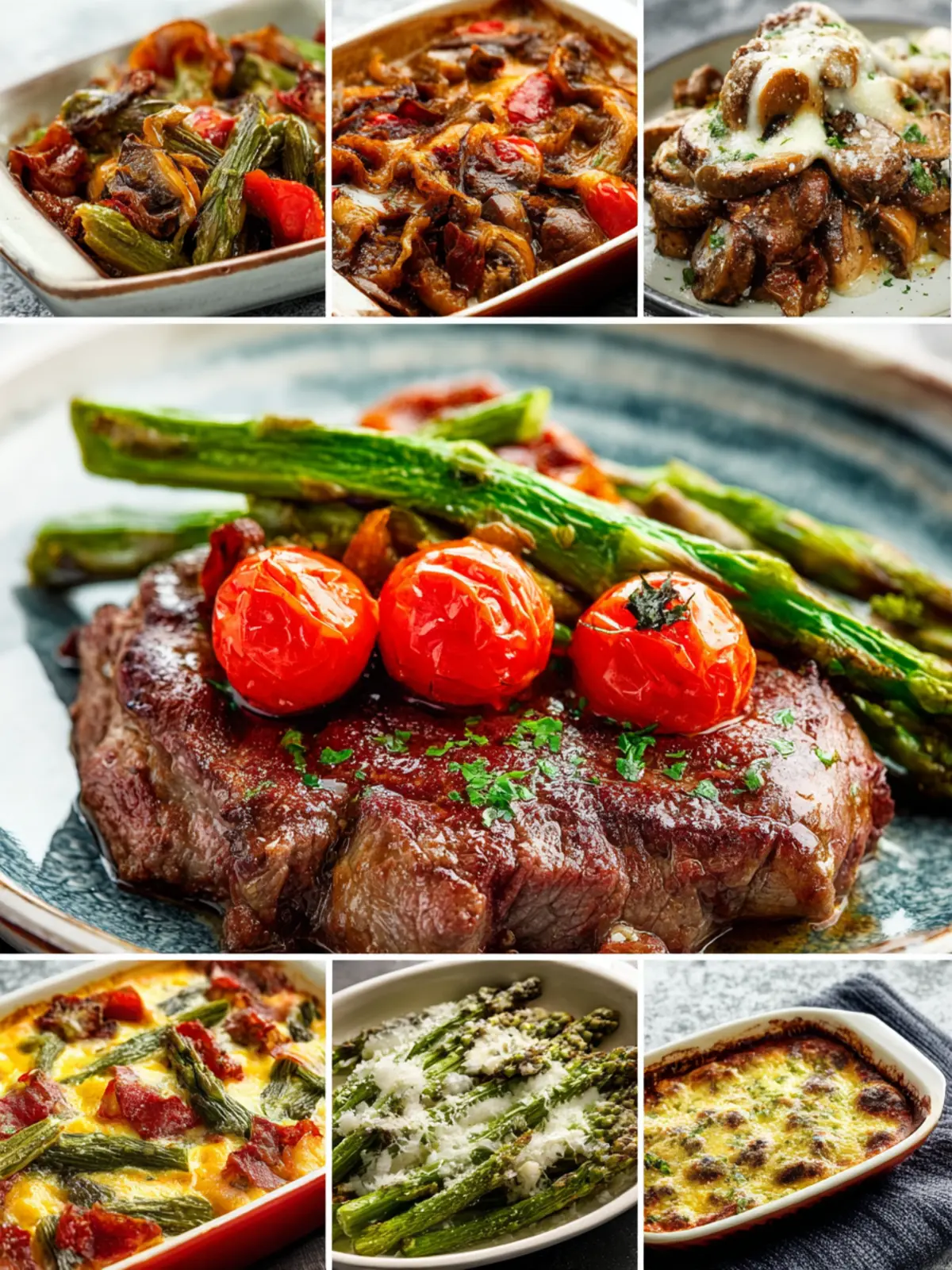
Dinners Using Common Low-Carb Ingredients: Easy & Delicious!

Introduction to Dinners Using Common Low-Carb Ingredients
Imagine a bustling weeknight in your apartment, juggling between work deadlines and social commitments. You open the fridge, and amidst the usual clutter, you find some basic ingredients ready to be transformed into delightful dinners using common low-carb ingredients. Low-carb meals aren’t just a trend; they’re a practical choice for young professionals striving to maintain energy and focus through busy days and late-night meetings. With the right ingredients, dinner can be both satisfying and healthy without taking up too much of your valuable time.
Low-carb meals help regulate blood sugar levels, boost energy, and can even support weight loss—all essential factors for busy professionals on the go. Research indicates that low-carb diets can lead to improved mental clarity and reduced cravings, making it easier to focus on that presentation or project due by the end of the week. Implementing low-carb ingredients into your meals doesn’t have to be complicated or restrictive. Instead, it can be a flavorful adventure!
Why Low-Carb Meals Matter for Young Professionals
As young professionals, we often find ourselves navigating a whirlwind of responsibilities, from work meetings to social gatherings. Quick, accessible meals are essential, but they shouldn’t come at the expense of our well-being. Here’s why embracing low-carb dinners is not just beneficial but also a smart choice:
- Sustained Energy: Unlike high-carb meals that can lead to energy crashes, low-carb options help maintain balanced blood sugar levels, providing energy for long work hours.
- Meal Flexibility: Low-carb ingredients—like fresh veggies, lean proteins, and healthy fats—are versatile and can be adapted to various cuisines. Think stir-fries, salads, or baked dishes that impress friends and colleagues alike.
- Time Efficiency: Many low-carb recipes take minimal prep time. With just a few common ingredients, you can whip up a delicious meal in under 30 minutes.
By focusing on dinners using common low-carb ingredients, you’re not just nourishing your body; you’re investing in your productivity and overall happiness. So let’s dive into some fantastic recipes that will make meal planning feel like a breeze!
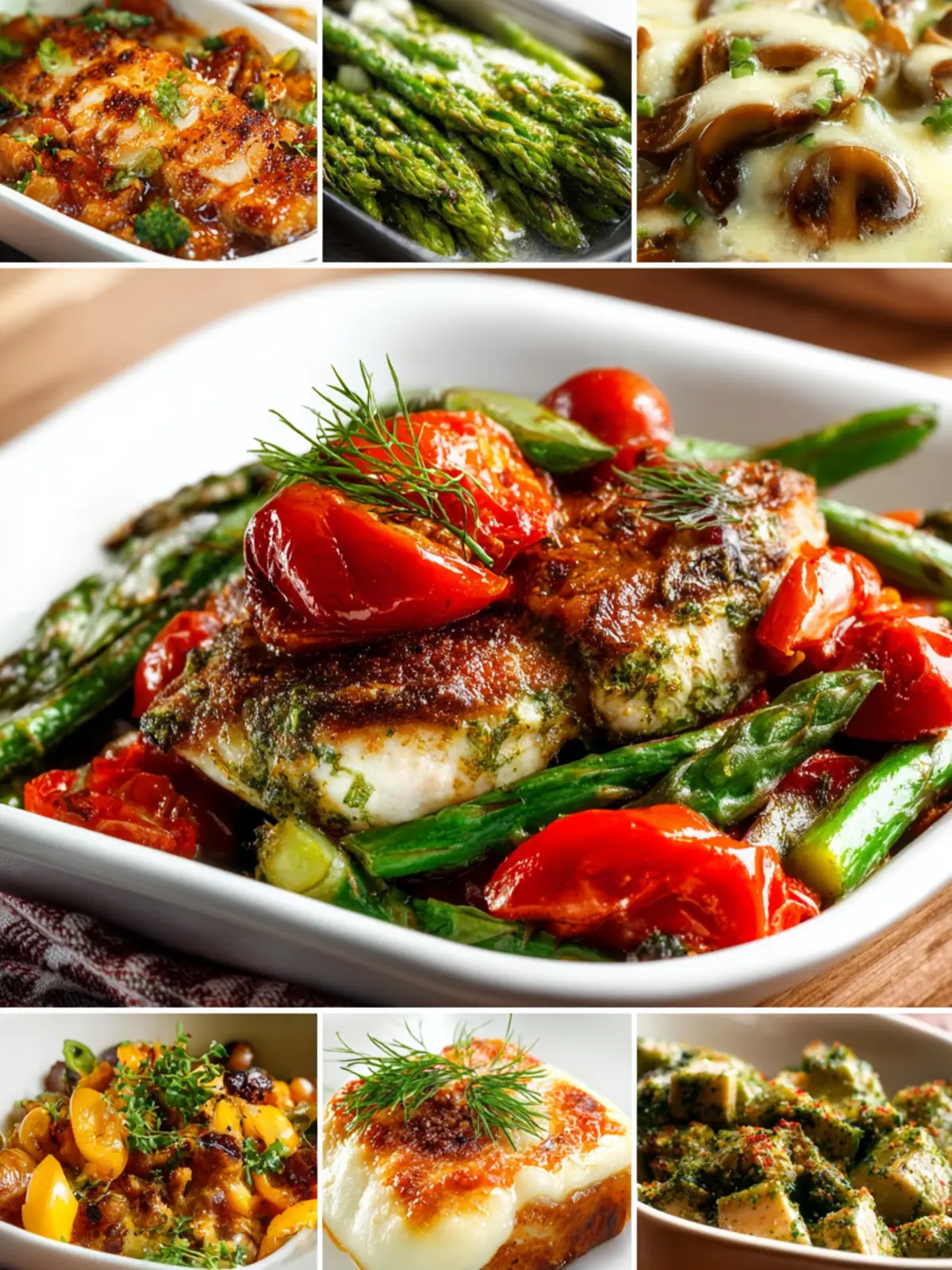
Key Ingredients for Dinners Using Common Low-Carb Ingredients
Chicken:
Tender and juicy chicken breast is a staple in low-carb dinners. I prefer using skinless, boneless cuts for versatility. Whether grilled, baked, or sautéed, it absorbs flavors beautifully. If you’re in a pinch, rotisserie chicken is an excellent time-saver and still fits perfectly into your meal prep.
Cauliflower:
Don’t underestimate the power of cauliflower in low-carb cooking! This versatile veggie can be riced, mashed, or roasted to create a great base for many dishes. It’s low in carbs and high in fiber, making it a fantastic alternative to grain-based sides.
Zucchini:
Zucchini is a go-to for low-carb dinners using common low-carb ingredients. Whether spiralized into “zoodles” or grilled, it adds a fresh twist to your meals. Try seasoning it with herbs or spices to bring out its natural sweetness!
Cheese:
Rich and flavorful, cheese plays a crucial role in enhancing the taste of low-carb dishes. I often use cheeses like mozzarella or cheddar, which melt beautifully, adding creaminess to casseroles and baked dishes.
Eggs:
Eggs are perfect for creating hearty dinners. They are not just for breakfast! Scrambled, frittata, or baked, they add protein and essential nutrients to keep you fuller for longer.
By combining these ingredients, you’re on your way to crafting delicious, satisfying dinners that support your low-carb lifestyle!
Why You’ll Love These Low-Carb Dinners
Delighting in low-carb dinners doesn’t have to be complicated; it’s a culinary adventure waiting to unfold right in your kitchen! Imagine coming home after a long day, peeling back the layers of fresh ingredients and whipping up satisfying meals that not just fuel your body but also excite your palate. With the recipes in our article featuring dinners using common low-carb ingredients, you can relish delicious flavors without the guilt of heavy carbs.
Here’s what you’ll appreciate about these meals:
-
Simplicity of Preparation: Each recipe is crafted with everyday ingredients, making them easy to whip up, even on the busiest nights.
-
Flavor-First Approach: Forget bland dieting; these dishes are vibrant and full of flavor, ensuring that your meals are anything but boring.
-
Health Benefits: Lowering carb intake can lead to a multitude of health benefits, including increased energy and improved mental clarity.
-
Customizable Options: Feel free to tweak the ingredients based on what you have on hand or your personal preferences, making it a truly versatile experience.
With these low-carb dinners, you’ll find joy in cooking and eating meals that align with your lifestyle goals, promoting health without compromising taste.

Variations on Low-Carb Dinner Recipes
Exploring the world of dinners using common low-carb ingredients opens up a pathway to delicious creativity. Embracing ingredients that cater to a low-carb lifestyle doesn’t mean compromising taste or satisfaction. Imagine transforming ordinary meals into something extraordinary with just a few simple swaps.
Creative Substitutes for Common Ingredients
-
Zucchini Noodles: Instead of pasta, spiralize zucchini for a delightful, low-calorie alternative. Not only does it soak up your sauce beautifully, but it also adds a fresh crunch to your dish.
-
Cauliflower Rice: This versatile substitute can seamlessly replace grains. Whether you’re making a stir-fry or a curry, riced cauliflower is a fantastic vehicle for flavor and nutrients.
-
Romaine Lettuce Wraps: Ditch the bread and create wraps using romaine leaves. They’re perfect for adding crunch to your favorite fillings, from seasoned chicken to spicy shrimp.
-
Greek Yogurt: For creamy sauces or dressings, Greek yogurt offers a tangy flavor with significantly fewer carbs than sour cream or mayo. It’s a protein-packed way to lighten up any dish.
-
Almond Flour: If you’re baking or breading, consider almond flour as a gluten-free, low-carb alternative to traditional flour. It adds a nutty flavor and pairs beautifully with savory dishes.
By swapping in these creative alternatives, you can enjoy satisfying and flavorful dinners that align perfectly with your health goals. It’s all about making low-carb cooking fun and vibrant!
Cooking Tips and Notes for Low-Carb Dinners
Creating delicious dinners using common low-carb ingredients can be both fulfilling and flavorful. The key lies in effective cooking techniques that bring out the best in those ingredients.
Essential Cooking Techniques to Enhance Flavor
-
Sear for Depth: Searing proteins like chicken or beef in a hot skillet not only enhances flavor through caramelization but also locks in moisture. Don’t rush this step; let the meat develop a nice crust.
-
Herb Infusion: Fresh herbs can transform a dish. Add them at the end of cooking, or infuse oils with them beforehand for a burst of flavor without unnecessary carbs.
-
Roasting for Sweetness: Roasting vegetables like cauliflower or Brussels sprouts brings out their natural sweetness. Toss them in olive oil, salt, and spices, and watch them caramelize beautifully.
-
Zest it Up: A squeeze of lemon juice or a sprinkle of zest can elevate the taste, providing a refreshing contrast to richer flavors—essential for a well-rounded meal.
-
Low-Carb Sauces: Creating your own sauces or dressings using Greek yogurt, mustard, and your favorite spices can add flavor without piling on carbs.
These techniques not only make cooking more enjoyable but also help you create mouthwatering low-carb dinners that impress!
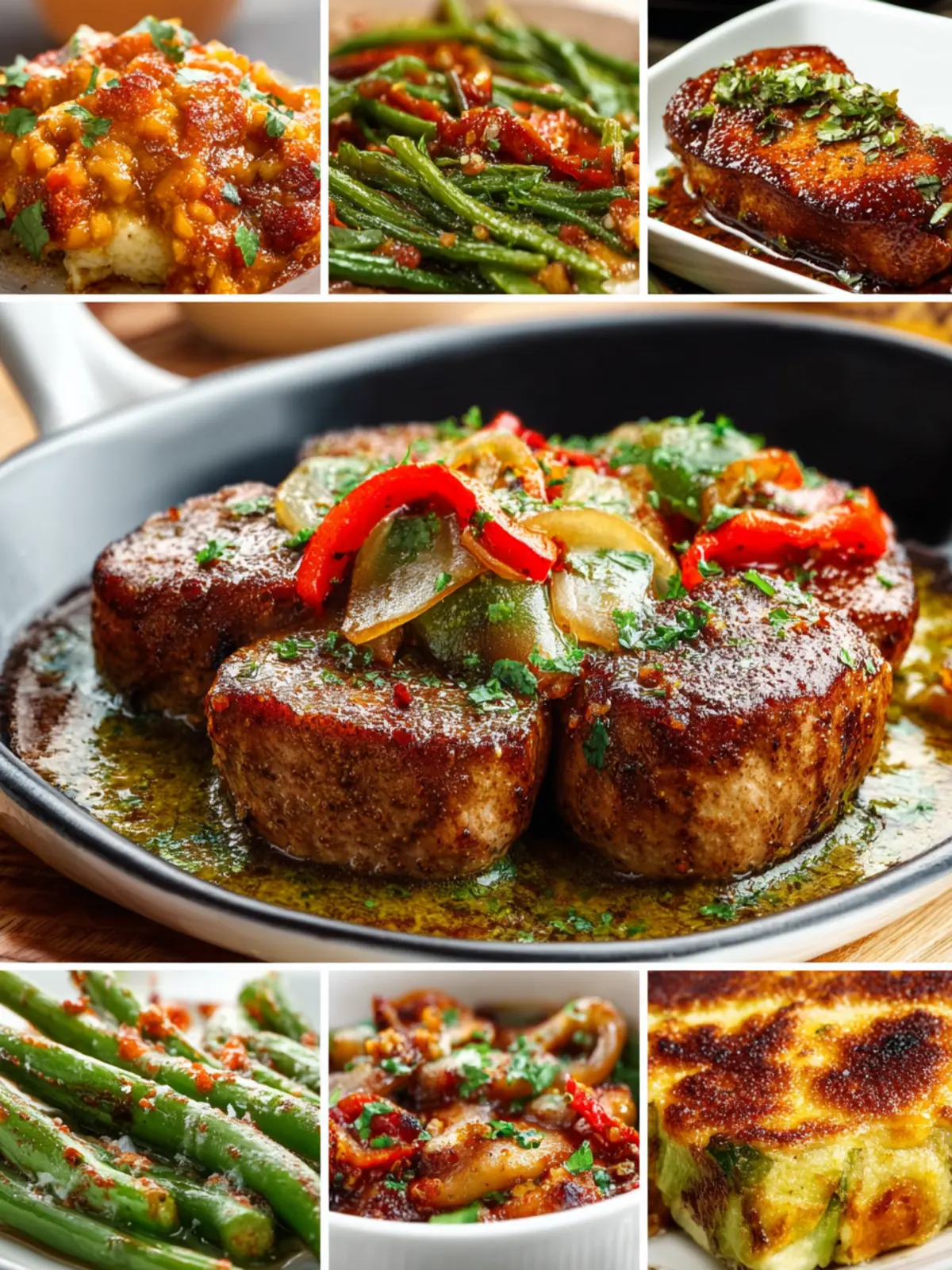
Serving Suggestions for Low-Carb Meals
When it comes to preparing dinners using common low-carb ingredients, the right sides and sauces can elevate your meal to new heights. Think outside the box and pair your main dishes with complementary flavors that won’t compromise your carb goals.
Complementary Sides and Sauces
-
Zucchini Noodles: Swap traditional pasta for spiralized zucchini. Toss them with a bit of olive oil and garlic, finishing with a sprinkle of Parmesan for a light, tasty side.
-
Cauliflower Rice: This versatile alternative is a fantastic base for just about any low-carb dish. Sauté with spices or herbs for added flavor.
-
Leafy Greens: A fresh salad made from spinach or arugula can add crunch and nutrients. Consider a lemon vinaigrette to brighten the flavors.
-
Creamy Sauces: A homemade garlic butter or Alfredo sauce can infuse rich flavors into your protein, providing decadence without the extra carbs.
Remember, these extras not only complete your meal but can also offer essential nutrients, making your low-carb dinners satisfying and delightful.
Time Breakdown for Low-Carb Dinner Preparation
When you’re creating dinners using common low-carb ingredients, knowing how to manage your time can make the cooking process more enjoyable and less stressful. Let’s break down the time it takes to prepare these delicious meals.
Preparation Time
Getting the ingredients ready is key. For most low-carb dinners, you’ll typically spend about 10-15 minutes chopping vegetables, marinating proteins, and measuring out spices. If you’ve prepped some ingredients earlier in the week, this time can be reduced to just 5-10 minutes.
Cooking Time
Cooking time varies, but most low-carb recipes can be completed in 20-30 minutes. For example, grilling chicken or roasting veggies usually falls within this timeframe. If you’re opting for a slow-cooked option, plan for about 1-2 hours, but the hands-on time remains minimal.
Total Time
All in all, the total time for preparing low-carb dinners is usually around 30-45 minutes. This makes it totally feasible for a weeknight meal, especially if you want to enjoy a healthy and satisfying dinner without the fuss.
This balance of prep and cooking time keeps your evenings running smoothly while savoring those guilt-free meals!
Nutritional Facts for Low-Carb Dinners
When diving into the world of dinners using common low-carb ingredients, the nutritional profile often stands out for its health benefits.
Carbohydrate Content
Typical low-carb dinners can contain anywhere from 5 to 20 grams of carbohydrates per serving, depending on your chosen ingredients. This keeps your carb intake in check while allowing you to enjoy a variety of flavors.
Caloric Information
Most low-carb dinners range between 300 to 600 calories per serving. This makes them satisfying without feeling heavy, perfect for a fulfilling post-work meal.
Protein and Fat Breakdown
With a focus on protein-rich ingredients, these dinners usually offer about 20 to 40 grams of protein, complemented by healthy fats ranging from 10 to 30 grams. This balance not only supports muscle maintenance but also promotes satiety throughout the evening.
Incorporating these nutritional insights into your meal planning can help boost your health while still enjoying delicious, satisfying dinners.
FAQs about Low-Carb Dinners
Low-carb dinners can be satisfying and enjoyable when you explore their many possibilities. To help you navigate the world of dinners using common low-carb ingredients, let’s dive into some frequently asked questions.
What are the best low-carb vegetables?
When planning your low-carb dinners, opt for non-starchy vegetables that provide essential nutrients without a lot of carbs. Consider:
- Spinach and Kale: These leafy greens are versatile and can be added to stir-fries, salads, or smoothies.
- Zucchini: A great substitute for pasta, especially when spiralized into noodles.
- Cauliflower: Perfect for making rice, pizza crusts, or mashed “potatoes.”
- Broccoli: High in fiber, and a fantastic addition to casseroles or served steamed.
How can I make low-carb dinners more exciting?
Low-carb meals may sound limited, but creativity can bring them to life! Try:
- Exploring various cuisines that naturally utilize low-carb ingredients, like Mediterranean or Asian dishes.
- Adding herbs and spices to enhance flavors. Think garlic, rosemary, or chili flakes to spice things up.
- Incorporating healthy fats, like olive oil or avocados, to enhance the richness and satisfaction of your meals.
Are low-carb diets suitable for everyone?
While many people thrive on low-carb diets, they may not be the best fit for everyone. Consult with a healthcare professional if you have conditions such as diabetes or are pregnant. Listening to your body is key—what feels good for one person may not work for another. Embrace the journey of discovering what aligns best with your health goals!
Conclusion on Low-Carb Dinners
Embracing dinners using common low-carb ingredients can genuinely elevate your weeknight meals. These recipes not only offer culinary creativity but also support a healthier lifestyle without sacrificing flavor. Picture this: a bustling kitchen filled with delicious aromas, as you whip up a feast that delights both the palate and the waistline.
As you explore various options, consider experimenting with your favorite low-carb staples. Whether it’s cauliflower, chicken, or zucchini, the versatility of these ingredients ensures that excitement accompanies every dinner. So why not dive in, get inspired, and enjoy the benefits of low-carb dining? Your taste buds will thank you!
Print
Recipe – mv-create-ingredients
- Total Time: 50 minutes
- Yield: Serves 8
- Diet: Vegetarian
Description
This recipe demonstrates how to construct an ingredient list dynamically.
Ingredients
Scale
- 1 cup flour
- 2 teaspoons baking powder
- 1/2 teaspoon salt
- 1/2 cup sugar
- 1/2 cup butter
- 2 eggs
- 1 teaspoon vanilla extract
- 1 cup milk
Instructions
- Preheat the oven to 350°F (175°C).
- In a bowl, mix flour, baking powder, and salt.
- In another bowl, cream together sugar and butter until smooth.
- Add eggs one at a time, then stir in the vanilla.
- Mix in the flour mixture alternately with the milk until fully combined.
- Pour into a greased pan and bake for 30-35 minutes.
Notes
- Make sure all ingredients are at room temperature.
- Store leftovers in an airtight container.
- Prep Time: 15 minutes
- Cook Time: 35 minutes
- Category: Desserts
- Method: Baking
- Cuisine: American
Nutrition
- Serving Size: 1 slice
- Calories: 250
- Sugar: 15g
- Sodium: 200mg
- Fat: 10g
- Saturated Fat: 6g
- Unsaturated Fat: 4g
- Trans Fat: 0g
- Carbohydrates: 35g
- Fiber: 1g
- Protein: 4g
- Cholesterol: 50mg