Follow Me On Social Media!


Korean Pancakes Pajeon: Crispy Comfort You’ll Crave

Introduction to Korean Pancakes Pajeon – A Crispy Taste of Korean Comfort
Korean pancakes Pajeon are the quintessential comfort food that brings back memories of cozy evenings spent sharing meals with loved ones. Imagine the sound of a sizzling batter being poured onto a hot skillet, filling the room with an irresistible aroma. These savory pancakes are not just delicious; they’re a canvas for creativity, allowing you to incorporate your favorite vegetables and proteins for a personalized touch.
Originating from Korea, Pajeon are typically made with scallions and a batter that’s perfectly crispy on the outside and soft on the inside. The simplicity of the ingredients belies the richness of flavor. They can be served as a snack, an appetizer, or even as a main dish, making them a versatile addition to any meal. Whether you’re seeking a quick bite after a long day or wanting to impress friends at a dinner party, this dish is a delightful way to experience Korean cuisine.
What are Korean Pancakes Pajeon?
Korean pancakes Pajeon are similar to fritters: made with a base of flour, water, and an array of fillings that can include vegetables like green onions, carrots, or zucchini, as well as seafood like shrimp or squid. The batter is traditionally made from a blend of wheat flour and potato starch, lending it a unique texture that is both tender and crispy.
Here are key features of Pajeon:
- Savory and Satisfying: The unique combination of ingredients creates a depth of flavor that keeps you coming back for more.
- Customizable: Feel free to adjust fillings according to your taste; add kimchi for a spicy kick or mushrooms for earthiness!
- Crispy Texture: Achieving that golden-brown crunch on the outside while keeping the inside tender is one of the defining characteristics of a great Pajeon.
Creating your very own Korean pancakes Pajeon is simpler than you might think. With just a few ingredients and some basic cooking techniques, you’ll soon find yourself flipping these delicious pancakes and serving them hot off the skillet. Let’s dive into the recipe!
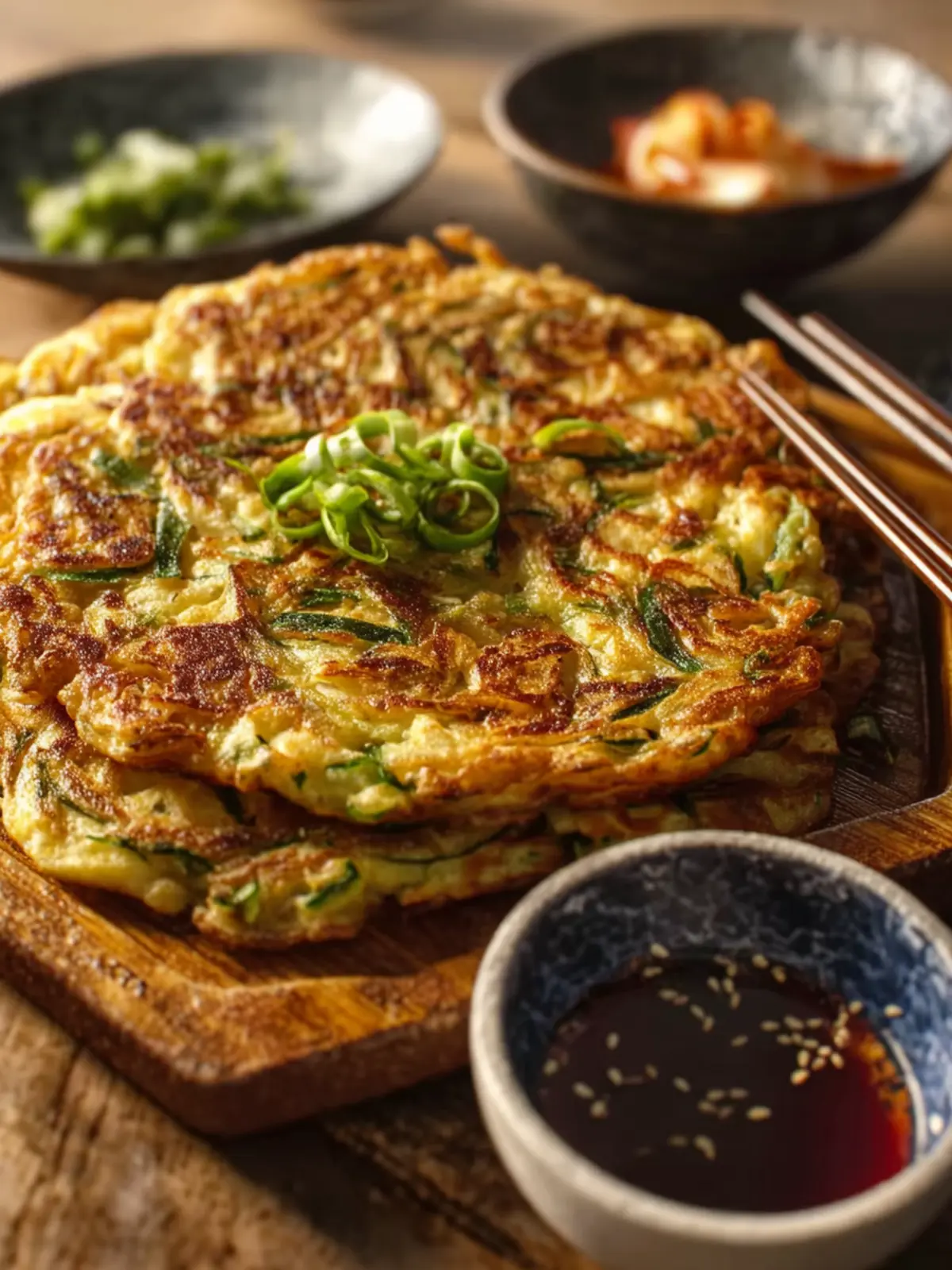
Key Ingredients for Korean Pancakes Pajeon
Pajeon, the beloved Korean pancakes, are a delightful blend of flavors and textures that transport you straight to a bustling Korean street market. The joy of making these crisp, savory pancakes starts with selecting the right ingredients to achieve that perfect balance.
-
Flour: The backbone of any pancake, I prefer a mix of all-purpose flour and a bit of cornstarch. This combination gives the pancakes their signature crispy edge while maintaining a tender inside.
-
Water: Using cold water helps to create a light and airy batter. Some enthusiasts even swear by using sparkling water for added fluffiness.
-
Green Onions: Fresh, chopped green onions are essential in Korean pancakes pajeon. They infuse a delightful oniony flavor and add vibrant color to the dish.
-
Vegetables: Feel free to get creative here! I love adding bell peppers, zucchini, or even mushrooms for extra flavor and texture.
-
Eggs: A couple of eggs provide richness and help bind everything together, contributing to that golden crust we all crave.
-
Salt: A pinch of salt elevates the flavors and balances the richness of the eggs and oil.
By mixing these key ingredients thoughtfully, you’re on your way to making perfectly crispy and savory Korean pancakes pajeon. Enjoy the process and let your creativity shine!
Why You’ll Love This Recipe
Korean pancakes pajeon are more than just a dish; they’re an experience that evokes the warmth of home and the joy of sharing a meal with loved ones. These crispy delights offer a perfect balance of flavors, making them a beloved staple in Korean cuisine. Imagine biting into a beautifully crispy exterior that gives way to a soft, savory center—it’s hard not to fall in love at first bite.
Here’s why you’ll adore making this recipe:
-
Versatility: Korean pancakes pajeon can be customized with a multitude of ingredients. Whether you’re in the mood for green onions, seafood, or vegetables, this recipe is your culinary canvas.
-
Quick and Easy: This is the perfect dish for busy weeknights. With minimal prep and cook time, you can have a delicious meal on the table in no time.
-
Comforting Flavor: The satisfying crunch of the pancake, paired with the savory dip, warms your soul. This comforting flavor brings back memories of cozy family dinners around the table.
-
Healthy yet Indulgent: Packed with vegetables, this dish offers a healthier twist to traditional comfort food without sacrificing taste.
So roll up your sleeves and get ready to whip up some delightful Korean pancakes pajeon. Your taste buds will thank you!
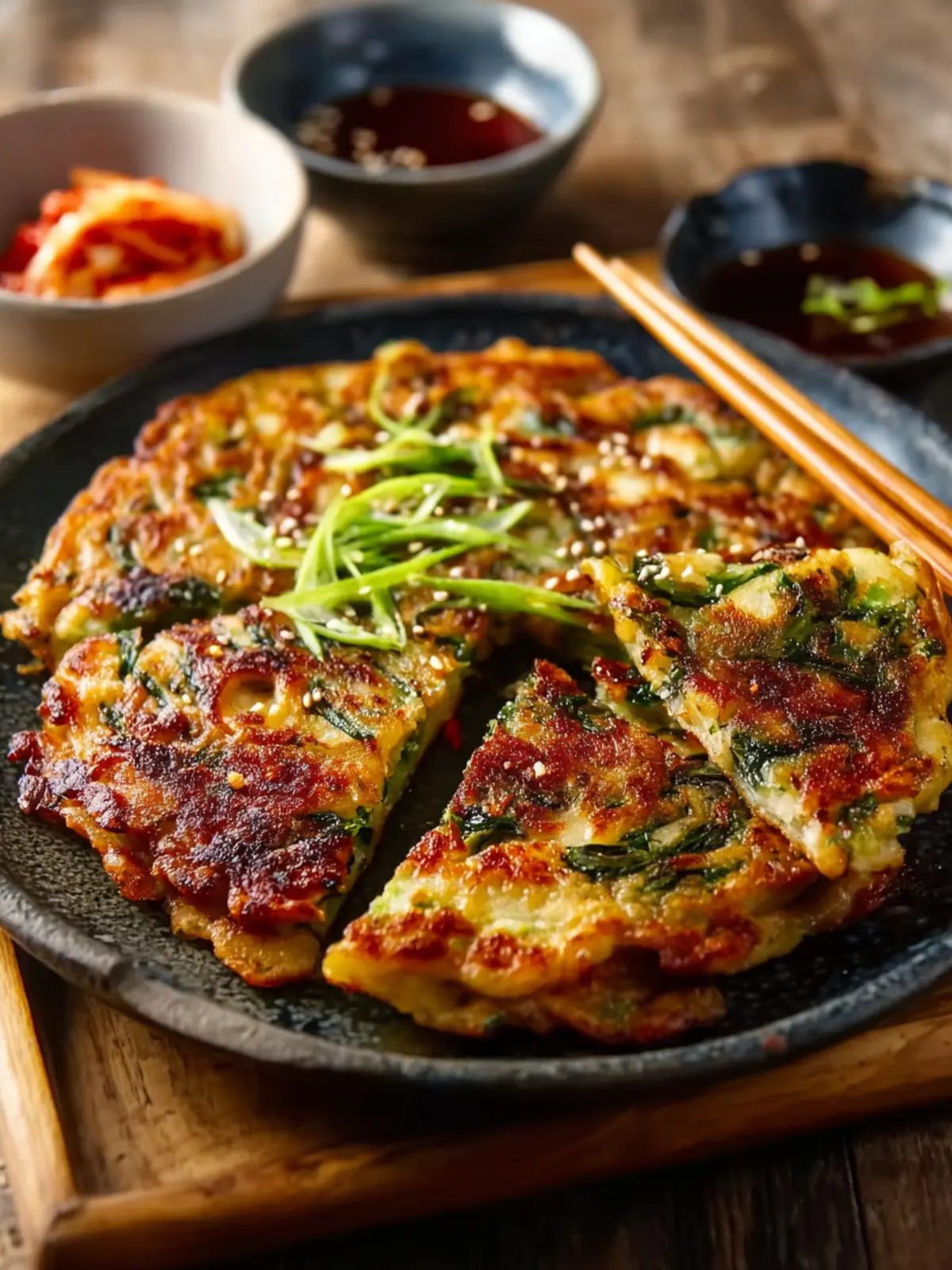
Variations of Korean Pancakes
Korean pancakes, or pajeon as they are affectionately known, are not just a singular dish but a delightful canvas for various flavors and ingredients. Each region in Korea has put its own spin on this beloved comfort food, making it a versatile option for any meal or celebration.
Classic Seafood Pajeon
Imagine sitting down to enjoy a crispy pajeon loaded with fresh seafood. This classic variation includes clams, shrimp, and squid, which create a savory depth of flavor. The freshness of the seafood enhances the pancake’s texture, making every bite a delightful experience.
Vegetable Medley Pancakes
For those who prefer a plant-based twist, vegetable pajeon is a staple. Using a colorful mix of zucchini, carrots, and scallions, these pancakes become a vibrant dish bursting with nutrients. Perfect for a light lunch or a healthy appetizer, they offer a satisfying crunch without overwhelming heaviness.
Kimchi Pancakes
If you’re ready to amp up the flavor, kimchi pancakes provide a spicy kick. Fermented kimchi adds a tangy zest that pairs beautifully with the crispy pancake base. This variation is especially popular among young professionals looking for a quick yet flavorful dish that satisfies.
Potato Pancakes
Don’t forget about the hearty potato version! Korean potato pancakes, or gamja jeon, offer a different texture that is both crispy on the outside and soft on the inside. They make for a wonderful side dish or snack that’s comforting and filling.
With so many variations, there’s a pajeon to suit every palate! What variation do you think you’ll try first?
Cooking Tips and Notes for Success
Creating the perfect Korean pancakes pajeon can be an exciting culinary adventure, and with a few insider tips, you’ll have success on your plate every time.
Choosing the Right Flour
For authentic pajeon, opt for a mix of all-purpose and Korean sweet rice flour (also known as “mochi” flour). This combo gives your pancakes that sought-after crispy edge while maintaining a chewy interior.
Fresh Ingredients Matter
Using fresh vegetables can elevate the taste of your korean pancakes pajeon significantly. Green onions are a must, and adding ingredients like zucchini or carrots not only enhances flavor but also adds vibrant color.
The Right Cooking Technique
Cooking at a medium-high heat is essential. If the heat is too low, your pancakes might turn out soggy. On the other hand, if it’s too high, they may burn. Be patient and keep an eye on the color; a golden brown hue indicates they’re nearly done!
Serving Suggestions
Serve your pajeon with a dipping sauce made from soy sauce, a splash of vinegar, and a sprinkle of chili flakes for that extra zing. For those looking to impress, consider pairing with a light salad or pickled vegetables.
With these tips, your journey to mastering korean pancakes pajeon will be both enjoyable and delicious. Happy cooking!
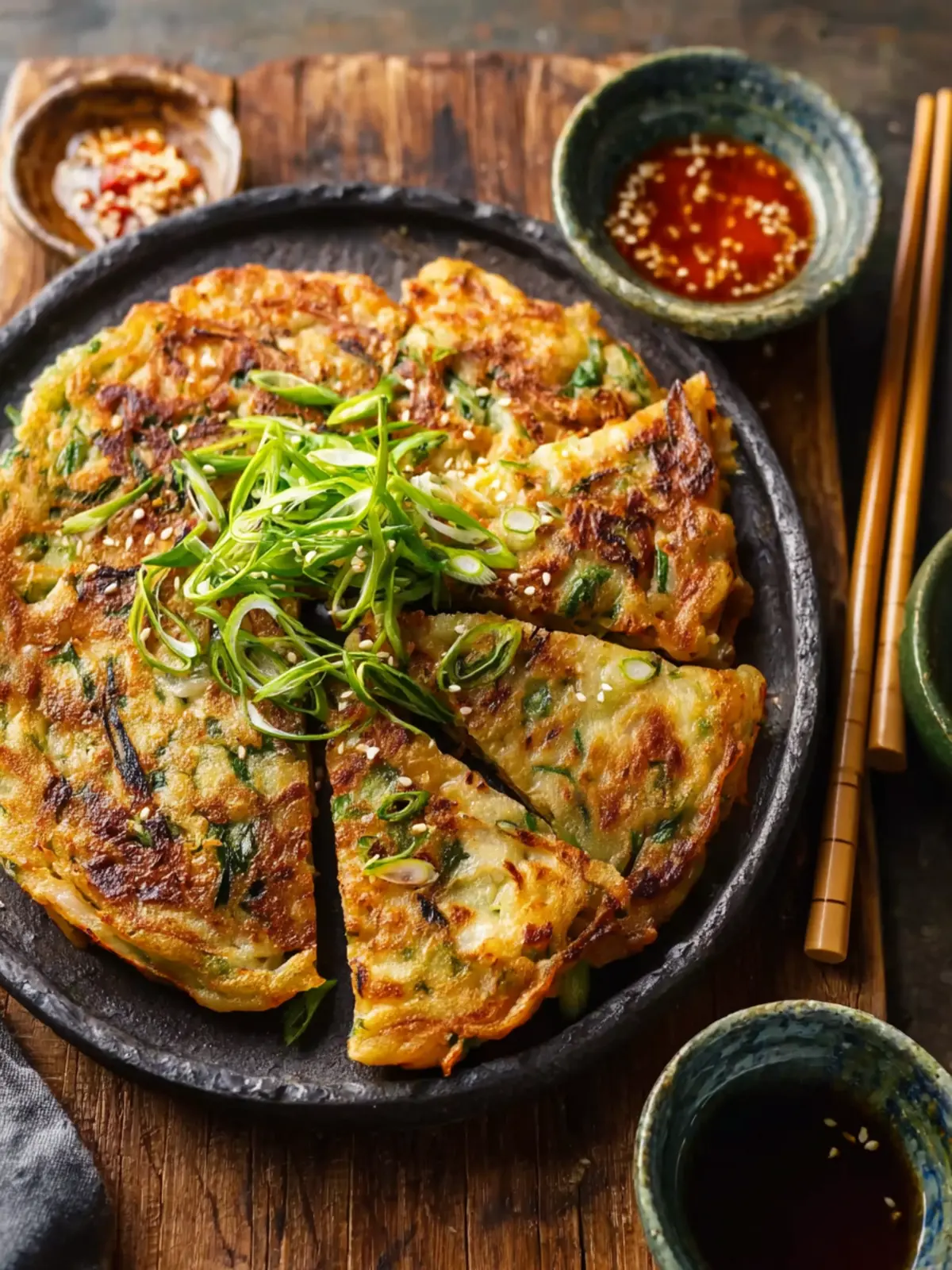
Serving Suggestions for Korean Pancakes Pajeon
When it comes to enjoying Korean pancakes pajeon, the experience is as delightful as the flavor itself. These crispy, golden pancakes are often best paired with a few thoughtful accompaniments that enhance their savory charm. Here are some serving suggestions to elevate your meal and impress your friends.
Classic Dipping Sauce
A traditional dipping sauce is a must for pajeon. Combine soy sauce, vinegar, and a splash of sesame oil for a tangy kick. For an extra layer of flavor, sprinkle some chopped green onions and crushed red pepper flakes to your sauce.
Fresh Herbs and Greens
Serve your Korean pancakes pajeon with a side of fresh herbs like cilantro or perilla leaves. Not only do they add freshness, but they also provide a delightful contrast to the pancake’s texture.
Side Dishes
Pairing with classic Korean side dishes known as banchan can enhance your dining experience. Kimchi or pickled radish can add a zesty complement to the savory pancakes, making it a well-rounded meal.
Light Soup
Consider a light broth or soup, such as a simple seaweed soup, to enjoy alongside your pajeon. The warmth of the soup pairs perfectly with the crispy texture of the pancakes, creating a comforting meal.
Remember, the beauty of dining lies in the details—these additions can transform your Korean pancakes pajeon into a truly memorable feast!
Time Breakdown for Preparation
Making korean pancakes pajeon is a delightful culinary adventure that doesn’t take much time at all. Here’s how the timing breaks down for this comforting dish.
Preparation Time
Gathering all the fresh ingredients and whipping up the batter takes approximately 20 minutes. Make sure to chop your vegetables and get your spices ready to enhance the flavor.
Cooking Time
Once you’ve prepared your batter, cooking time is around 15-20 minutes per batch. You’ll want to keep an eye on the heat to achieve that perfect crispiness.
Total Time
In total, you’re looking at about 40 minutes from start to finish. With minimal effort, you can enjoy the savory delight of korean pancakes pajeon in no time!
Nutritional Facts for Korean Pancakes Pajeon
Creating the perfect Korean pancakes pajeon not only delights the taste buds but also provides a variety of nutrients that make this dish enjoyable without the guilt. With a crispy exterior and savory filling, here’s a quick look at the nutritional profile that might just surprise you:
Calories
One serving of korean pancakes pajeon typically contains around 250 calories. This makes them a relatively low-calorie option, especially when enjoyed as a snack or appetizer.
Protein
These delicious pancakes pack a decent protein punch with approximately 6 grams per serving. This protein content can keep you feeling fuller for longer, making them a great option for a light meal.
Sodium
While flavor is key in korean pancakes pajeon, they can contain around 500 mg of sodium per serving. If you’re watching your sodium intake, consider using less soy sauce or opting for low-sodium alternatives to enjoy the taste without the extra salt.
FAQs about Korean Pancakes Pajeon
If you’re diving into the world of Korean pancakes Pajeon, you may have some burning questions. This dish isn’t just about pleasing culinary aesthetics; it’s about sharing comfort food that brings people together. Let’s tackle some common queries to enhance your Pajeon experience!
Can I make Pajeon gluten-free?
Absolutely! Crafting Korean pancakes Pajeon that cater to gluten sensitivities is simple. Instead of all-purpose flour, opt for a gluten-free flour blend, which you can find at most grocery stores. Look for mixes with xanthan gum included, as it helps mimic the elasticity found in traditional flours. This way, you can enjoy all the crispy goodness without worry.
How do I store leftover Pajeon?
Leftover Pajeon can be a comforting treat for the next day! Allow them to cool to room temperature, then layer them between parchment paper in an airtight container. Store in the refrigerator for up to three days. When you’re ready to enjoy them again, simply reheat in a skillet to regain that delightful crispiness; a microwave may leave them soggy.
What other vegetables can I use in Pajeon?
The beauty of Korean pancakes Pajeon is their versatility! While green onions are traditional, feel free to experiment! Here are some ideas:
- Carrots: Shredded for sweetness and crunch.
- Zucchini: Adds moisture and a delightful flavor.
- Bell Peppers: For a pop of color and sweetness.
- Mushrooms: For extra umami.
Get creative and mix in seasonal vegetables you have on hand! Each variation brings a unique twist that keeps you coming back for more.
Conclusion on Korean Pancakes Pajeon
In closing, Korean pancakes pajeon are not just a dish; they are a celebration of flavors that can bring warmth to any gathering. Whether you’re savoring them as a snack or serving them at a cozy dinner, these crispy delights are versatile and straightforward to prepare. The satisfying crunch from the batter combined with the fresh ingredients makes each bite a joy.
Don’t hesitate to experiment with fillings and dipping sauces to make this recipe your own. Before long, you’ll find that korean pancakes pajeon will become a beloved staple in your kitchen. Enjoy the culinary journey!
Print
Korean Vegetable Pancake (Pajeon)
- Total Time: 35 minutes
- Yield: 4 servings 1x
- Diet: Vegetarian
Description
This Korean Vegetable Pancake is a delicious and crispy dish made with a variety of vegetables and a light batter.
Ingredients
Scale
- 1 cup all-purpose flour
- 2 tablespoons cornstarch
- 1 teaspoon salt
- ¾ cup cold water
- 1 large egg
- 1 cup green onions (cut into 2–3 inch pieces)
- ½ cup thinly sliced carrots
- ½ cup thinly sliced zucchini
- ½ cup cooked shrimp (optional)
- 2–3 tablespoons vegetable oil (for frying)
Instructions
- In a large mixing bowl, whisk together the flour, cornstarch, and salt. Add the egg and cold water, then whisk until smooth. The batter should be thin but not watery. It should lightly coat the back of a spoon.
- Gently fold in the green onions, carrots, and zucchini. If you’re adding shrimp, mix it in now. The batter should cling to the vegetables without drowning them.
- Place a non-stick or cast-iron skillet over medium-high heat. Add enough vegetable oil to lightly coat the bottom. The oil should shimmer but not smoke.
- Pour half of the batter into the hot pan, spreading it evenly into a thin circle. Flatten gently with a spatula so the vegetables distribute evenly.
- Cook for 3–4 minutes until the bottom turns golden brown and crisp. You’ll hear a gentle sizzling sound—that’s exactly what you want.
- Flip the pancake carefully and cook the other side for another 3–4 minutes. Press lightly with a spatula to ensure even browning.
- Transfer to a cutting board and slice into squares or wedges. Serve immediately while hot and crispy. Repeat with the remaining batter.
Notes
- I always use cold water because it helps create a lighter, crispier texture when the batter hits the hot oil.
- The bright green onions are the heart of this dish. When they cook, they soften and release a mild sweetness that defines authentic pajeon.
- Watching each Korean pancake turn golden in the pan is one of the most satisfying parts of the process.
- Prep Time: 15 minutes
- Cook Time: 20 minutes
- Category: Appetizer
- Method: Frying
- Cuisine: Korean
Nutrition
- Serving Size: 1 pancake
- Calories: 250
- Sugar: 1g
- Sodium: 400mg
- Fat: 10g
- Saturated Fat: 1g
- Unsaturated Fat: 8g
- Trans Fat: 0g
- Carbohydrates: 34g
- Fiber: 2g
- Protein: 7g
- Cholesterol: 70mg