Follow Me On Social Media!

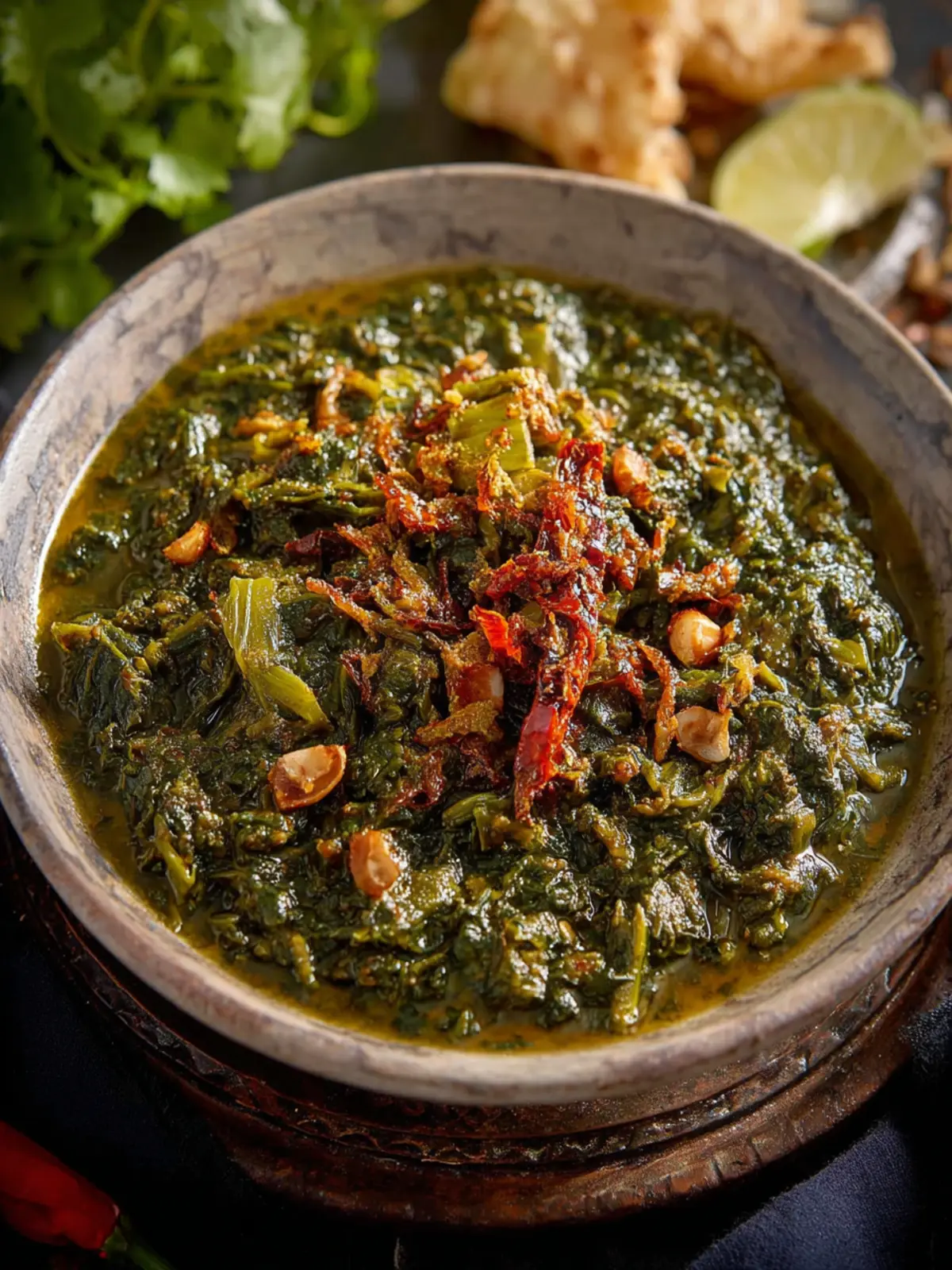
Sarson Ka Saag Recipe: Cozy Comfort Food You’ll Crave!

Introduction to Sarson Ka Saag Recipe
At the heart of Indian cuisine, the beloved sarson ka saag recipe showcases the rich, earthy flavors of mustard greens. This dish is not merely about nourishment; it embodies the authenticity and essence of Punjabi traditions, offering a comforting taste of home that many of us yearn for. As the cold winds of winter sweep in, there’s nothing quite like a warm, wholesome bowl of sarson ka saag paired with piping-hot makki di roti. In many families, it’s more than just food; it’s a cherished memory shared around the kitchen table, a celebration of togetherness, and an act of love.
Why Sarson Ka Saag is a Must-Try Dish?
If you’ve never tasted sarson ka saag, let me paint a picture for you. The deep green hue, a medley of spices, and a hint of butter transform simple greens into a culinary masterpiece. This dish is a staple during the winter months and boasts numerous health benefits. Mustard greens are packed with vitamins A, C, and K, along with essential minerals like calcium and iron. They contribute to a robust immune system and overall health, making sarson ka saag not only delicious but also a nutritious choice.
Moreover, cooking this dish is a rewarding experience. The process involves simmering the greens slowly, allowing the flavors to meld together beautifully. It’s a chance for you to unwind and connect with the culinary arts, drawing from generations of recipes passed down through families.
When paired with makki di roti, a corn flatbread, this meal becomes transformative—crunchy, warm bread meets the smooth, creamy saag, creating a heavenly combination. Many people swear by the duo, claiming it’s a quintessential winter meal that warms both body and soul.
So, why not journey into the heart of Indian kitchens with your own sarson ka saag recipe? Gather your ingredients and prepare to indulge in a dish that echoes tales of heritage and tradition. You’ll not only enjoy a feast, but you’ll also create memories starring the warmth of home-cooked fare.
Key Ingredients for Sarson Ka Saag Recipe
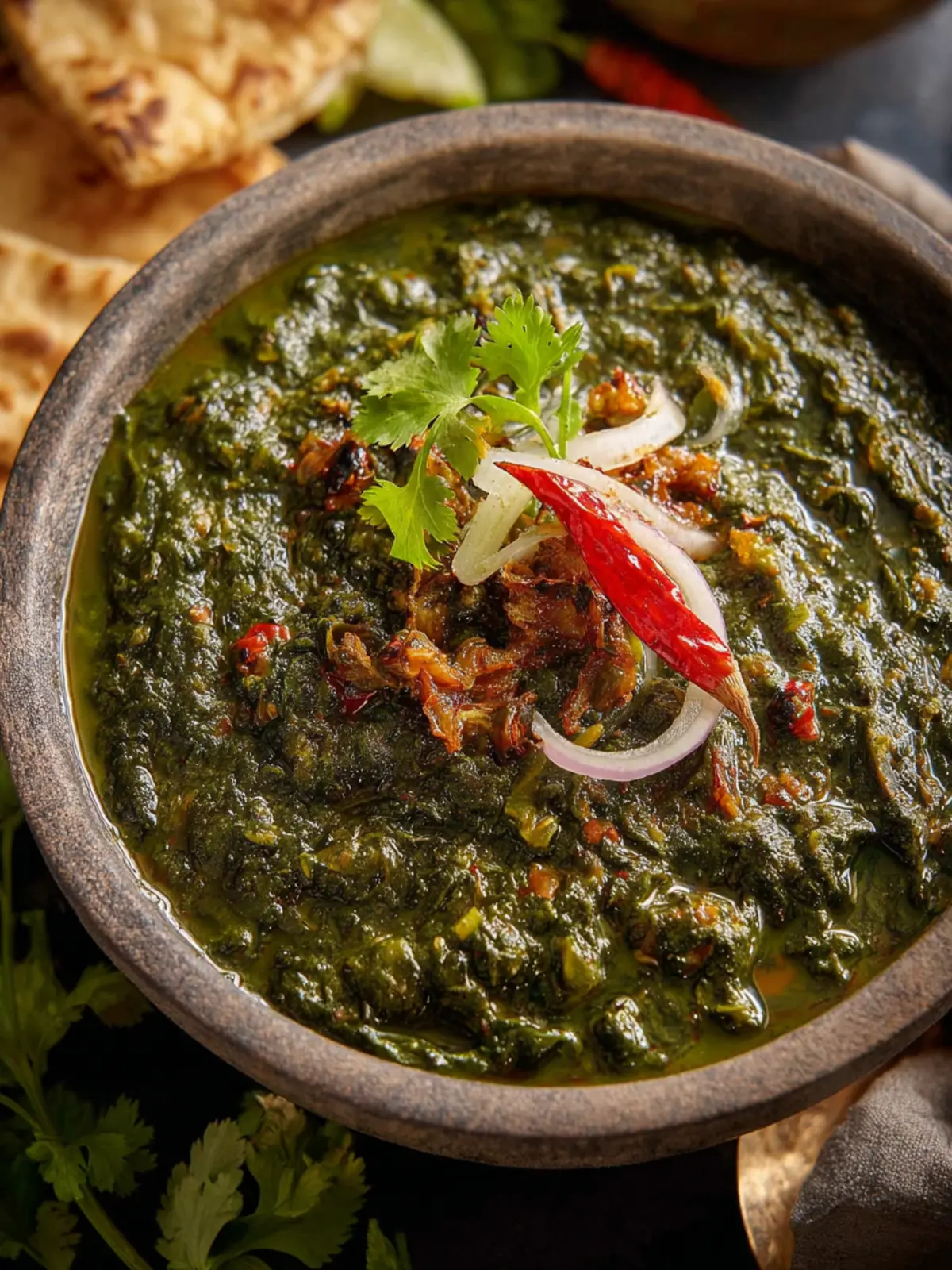
The heart and soul of a good sarson ka saag recipe are its fresh, earthy ingredients. Each component plays a crucial role in creating that authentic, rich flavor that warms the heart and soul.
-
Mustard Greens (Sarson): The star of the dish, these greens have a slightly peppery flavor that gives the saag its signature taste. Make sure to choose fresh, vibrant leaves for the best result!
-
Spinach (Palak): Adding in spinach helps balance the robust bitterness of mustard greens while contributing to the dish’s flavorful depth. Fresh leaves are always preferable, but you can use frozen if necessary.
-
Bathua (Chenopodium): Known for its unique flavor, bathua is often used alongside mustard greens. If you can’t find it, feel free to omit it or substitute with other leafy greens.
-
Onion: Onions lend a natural sweetness and aromatic base to the dish. Sautéing them until they’re golden enhances the flavor profile of sarson ka saag.
-
Ginger and Garlic: A blend of these two ingredients adds a delightful warmth and complexity. Freshly minced is the way to go for an authentic touch.
-
Spices: A combination of turmeric, red chili powder, and salt rounds out the flavor. Each brings a unique layer that elevates the dish and warms the palate.
-
Ghee or Butter: Traditionally, sarson ka saag is enriched with ghee, adding a luxurious finish. Butter can work as a substitute for a creamy texture.
With these key ingredients, you’re set to create a comforting and delicious sarson ka saag that will transport you straight to the heart of Punjab.
Why You’ll Love This Sarson Ka Saag Recipe
The beauty of sarson ka saag lies in its rich, earthy flavors and vibrant color, a dish that embodies the heart of Punjabi cuisine. Preparing this traditional recipe transports you to the lush mustard fields of India, where the greens are harvested fresh and bursting with life. As you embark on making this comforting dish, you’ll discover a few reasons why it might quickly become a staple in your home.
-
Nutritious and Hearty: Made primarily with mustard greens, this dish is packed with vitamins A, C, and K, along with minerals like calcium and iron. It’s a warmth-giving meal that’s perfect for chilly evenings or hungry bellies.
-
Flavorful and Versatile: The earthy taste of the mustard greens is balanced beautifully with spices and sometimes a dollop of butter or ghee, creating a delightful combination. Serve it with makki di roti (corn flatbread) for a truly authentic experience, or enjoy it with rice for a wholesome dinner.
-
Cultural Connection: Preparing sarson ka saag is not just about eating; it’s a celebration of community and simplicity. Gather your loved ones around the table and savor a dish made with love and tradition.
With each spoonful, you’ll feel the warmth of home-cooked goodness and nostalgia, making this recipe a loving tribute to Punjabi heritage.
Cooking Tips for Perfect Sarson Ka Saag
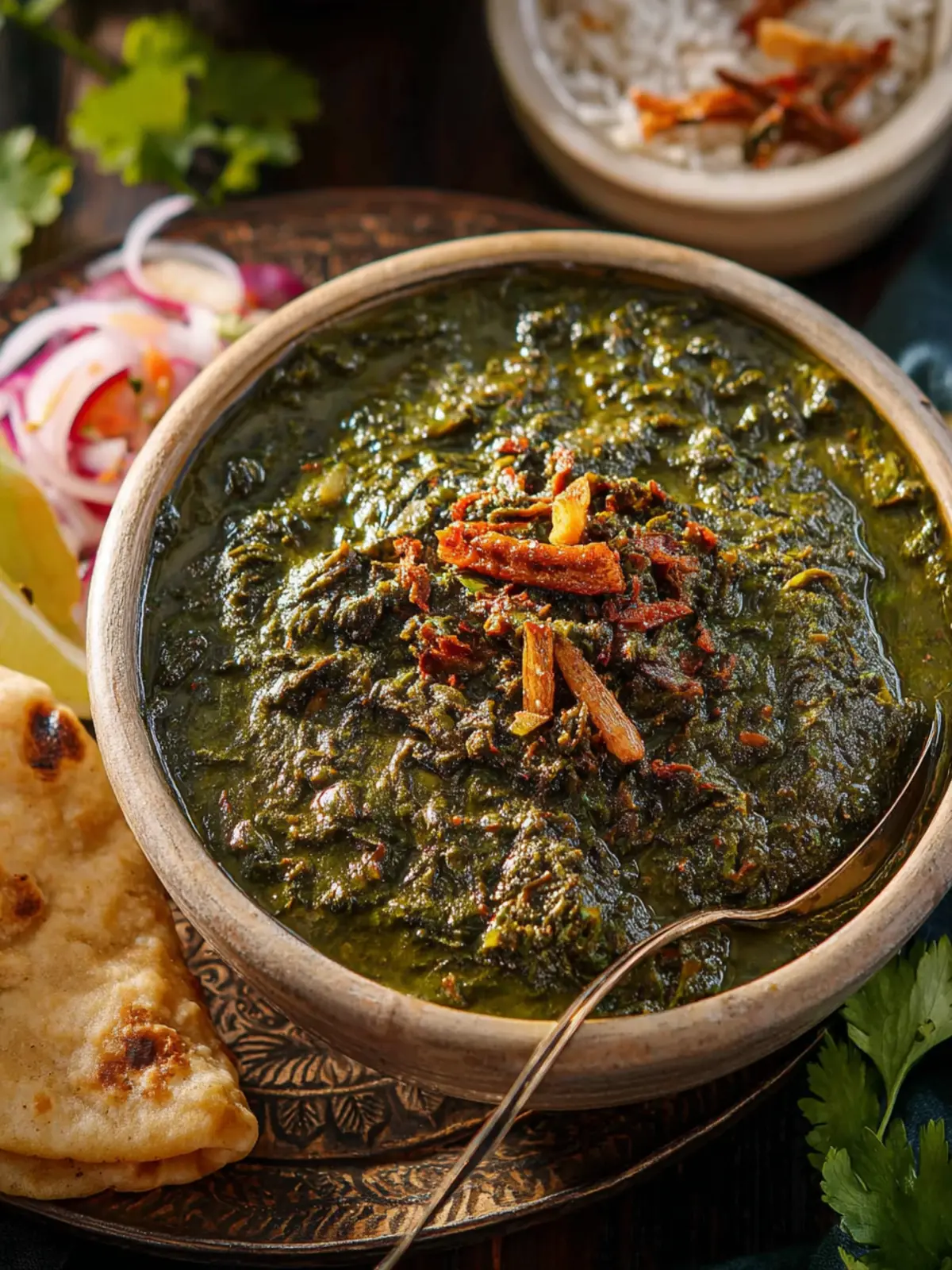
Embarking on the journey of making sarson ka saag is not just about following a recipe; it’s about celebrating the rich flavors of mustard greens. Originating from Punjab, this dish is a winter favorite that brings warmth and comfort to the table. Here are some tips to ensure your sarson ka saag recipe turns out perfectly every time.
Choosing the Right Greens
The key to a delightful sarson ka saag starts with fresh greens. Look for vibrant mustard greens; they should be crisp and free of any yellowing. Don’t shy away from mixing in other leafy greens like spinach and bathua for added depth and texture.
Cooking Technique Matters
Cook your greens slowly over medium heat to allow their flavors to meld beautifully. Avoid boiling them rapidly as that can strip away the nutrients and flavors. Steaming them lightly before blending helps retain their bright green color and rich taste.
Blending for Consistency
When it’s time to blend, make sure to achieve a smooth but thick consistency. This ensures a rich mouthfeel that’s authentic to sarson ka saag. If you prefer a chunkier texture, pulse just a few times to keep some leafy bits intact.
Spice It Right
Don’t skimp on the spices! A generous amount of ginger, green chilies, and garam masala makes a world of difference. Adjust the heat level to your preference, but know that a little kick enhances the overall flavor.
Final Touches
Once your sarson ka saag is cooked, finish it with a splash of ghee. This adds richness and depth, taking your dish to the next level. Serve it hot with makki di roti for an authentic experience that’s sure to impress.
By following these simple tips, you’ll create a wonderfully satisfying sarson ka saag that captures the essence of Punjabi cuisine. Enjoy your cooking adventure!
Time Breakdown for Sarson Ka Saag Recipe
Creating a delicious sarson ka saag recipe can be a delightful journey filled with rich flavors and the warmth of tradition. Here’s a simple time breakdown to help you plan your cooking session effectively.
Preparation Time
Taking about 20 minutes, ensure you wash and chop the mustard greens and spinach thoroughly. Don’t forget to soak your cornmeal for added creaminess!
Cooking Time
The cooking process will take approximately 40-45 minutes. You’ll want to sauté the greens and spices to achieve that perfect consistency and flavor.
Total Time
In total, you’ll invest around 1 hour for the entire sarson ka saag recipe. That’s just enough time to create a comforting dish that embodies the essence of Punjabi cuisine!
Nutritional Facts for Sarson Ka Saag
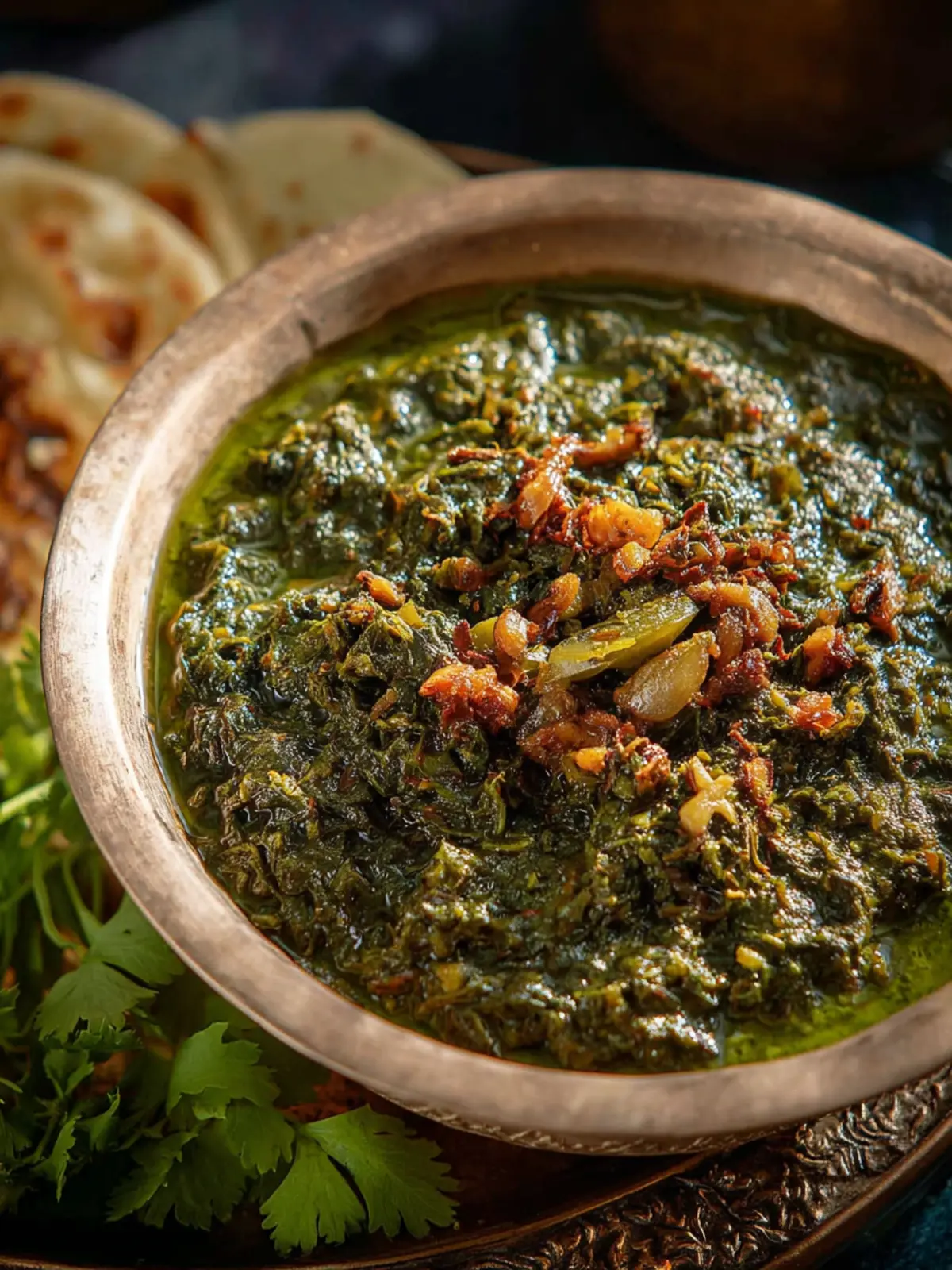
When savoring the comforting dish of Sarson Ka Saag, it’s intriguing to note the delightful nutritional profile that comes with it. This hearty recipe not only keeps you warm during chilly nights but also brings a bounty of nutrients to your plate.
Calories
Each serving of Sarson Ka Saag is approximately 180 calories. It’s a nourishing choice that fills you up without the guilt.
Protein
A generous serving provides about 5 grams of protein, helping fuel your day and keep you satisfied.
Fiber
Rich in dietary fiber, this dish offers around 8 grams per serving. This is fantastic for digestion and helps maintain a healthy gut.
Enjoying a homemade sarson ka saag recipe means relishing both the flavors and the nutrients that this exquisite dish brings into your life!
FAQs About Sarson Ka Saag
Creating a sarson ka saag recipe can be a delightful experience, but it’s only natural to have questions along the way. Here are some common inquiries to help you navigate this traditional dish with ease.
Can I make it without certain greens?
Absolutely! While mustard greens are the star of a classic sarson ka saag, you can experiment with other greens if needed. Spinach, bathua (chenopodium), or even collard greens can work as substitutes or additions. Keep in mind that each type of green has its unique flavor profile, so the resulting dish may differ slightly from the traditional taste.
How to store leftovers?
Storing your leftover sarson ka saag is simple. Just place it in an airtight container and refrigerate. It should stay fresh for about 3-5 days. If you want to enjoy it later, freezing is an option too. Allow it to cool completely before transferring it to freezer-safe containers. It can last in the freezer for up to 3 months. Remember to reheat gently on the stovetop for the best texture and flavor.
What to serve with Sarson Ka Saag?
The beauty of sarson ka saag lies in its versatility when it comes to pairing it with other dishes. Traditionally, it is served with makki di roti (cornbread) and a generous dollop of ghee or butter on top. You can also add some fresh onion, pickles, or yogurt on the side for some extra zing. If you’re feeling adventurous, a side of roti or rice can also complement this robust dish nicely!
With these tips, you’ll be well on your way to creating and enjoying a hearty bowl of sarson ka saag. Happy cooking!
Conclusion on Sarson Ka Saag Recipe
As you gather around the table, serving your homemade sarson ka saag, it’s hard not to feel connected to the rich culinary traditions of Punjab. This wholesome dish, loaded with nutritious mustard greens, is not just a recipe—it’s a celebration of flavors. With the right blend of spices and a touch of butter for richness, this meal transcends the ordinary.
Pairing sarson ka saag with warm, buttery makki di roti brings an authentic touch to your dining experience. Whether it’s a cozy family dinner or a gathering with friends, embracing this traditional dish will always spark joy and camaraderie in every bite. Enjoy creating lasting memories with this delightful sarson ka saag recipe!
Print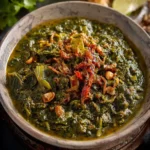
Sarson da Saag
- Total Time: 45 minutes
- Yield: 4 servings 1x
- Diet: Vegetarian
Description
A traditional Punjabi dish made with mustard greens and spices, served with makki di roti.
Ingredients
Scale
- 200 grams mustard greens (sarson)
- 35 grams spinach (palak)
- 35 grams radish greens (mooli ke patte) (or turnip greens)
- 35 grams chenopodium (bathua)
- 35 grams fenugreek leaves (methi)
- 1 cup chopped tomatoes
- 1 cup chopped onions
- ¼ cup chopped radish (or turnip)
- 1 inch chopped ginger
- 8–10 cloves chopped garlic
- 2–3 chopped green chilies
- 1 teaspoon red chili powder
- ¼ teaspoon asafetida (hing)
- 1 teaspoon salt (or to taste)
- 2 tablespoons corn meal (makki ka atta)
- 2 tablespoons clarified butter (ghee)
- ¼ cup finely chopped onions
- 3–4 cloves peeled and smashed garlic
Instructions
- Wash the greens thoroughly 2-3 times with water to get rid of any mud in them.
- Drain well.
- Add the washed greens to a large pressure cooker. Press the greens so that they fit in the cooker.
- They will be reduced drastically in volume once cooked.
- Since we will be blending the greens in a blender later, you don’t have to chop them.
- Add tomatoes, onions, ginger, garlic, radish, chilies, salt, and 1 cup of water to the cooker.
- Close the lid of the cooker and pressure cook for one whistle on high heat.
- Remove the pressure cooker from heat and let the pressure release naturally.
- Once the pressure is released, open the lid of the cooker. Let the greens cool down slightly.
- Transfer the cooked and cooled greens to the large jar of a blender along with the leftover water.
- Blend to make a coarse paste (I like my saag a little coarse. If you like it smooth, blend the greens until smooth).
- Transfer the paste to the same pressure cooker or another pan.
- Dissolve makki ka atta (maize flour) in ½ cup water and add it to the cooker.
- Add red chili powder and asafetida and mix well.
- Cook for 5-6 minutes on medium heat.
- If the saag is thick for your liking, then add some water to it and cook for a minute. If it’s too thin, then cook it for 5-6 minutes until the consistency is right.
- Check for salt and add more if required.
- Heat ghee in a small pan over medium heat.
- Once the ghee is hot, add onions and garlic and fry till golden brown. Keep stirring while frying.
- Pour the tadka over the saag and mix well. Serve hot with makke ki roti, jaggery, and white butter.
- Tip – Save some tempering to garnish the saag.
Notes
- Adjust the spiciness by modifying the number of green chilies and the amount of red chili powder used.
- For a richer flavor, you can add more ghee while serving.
- Saag can be made ahead of time and reheated for serving.
- Prep Time: 15 minutes
- Cook Time: 30 minutes
- Category: Main Dish
- Method: Pressure Cooking
- Cuisine: Indian
Nutrition
- Serving Size: 1 cup
- Calories: 200
- Sugar: 5 grams
- Sodium: 300 mg
- Fat: 10 grams
- Saturated Fat: 4 grams
- Unsaturated Fat: 4 grams
- Trans Fat: 0 grams
- Carbohydrates: 25 grams
- Fiber: 8 grams
- Protein: 6 grams
- Cholesterol: 0 mg